
Solomonic Consciousness
A Cognitive Journey
You are not peaceful. You are busy.
The distinction is structural. Most people do not notice it because they have never lived any other way. They experience the constant flow of thoughts, reactions, impulses, and stimuli as if this were consciousness itself — as if the activity of thinking were equivalent to the work of governing. It is not.
Consider your actual condition. Right now, in this moment, what is determining your attention? Is it your deliberate choice? Or is it the pull of a notification, a recurring worry, a habit you've never questioned? Who decided that this thought should occupy your mind at this precise moment? Was it you? Or was it something else operating without your consent?
This is not a rhetorical question. The answer matters.
Most people cannot answer it. They experience their mind as something that happens to them rather than something they govern. Thoughts arise and they believe these thoughts are theirs. Impulses emerge and they follow them, calling this "authenticity." Fears activate and they organize their entire lives around them, experiencing this as necessity. They are acted upon, and they call this being themselves.
This is the fundamental condition of modern consciousness: activity without authority.
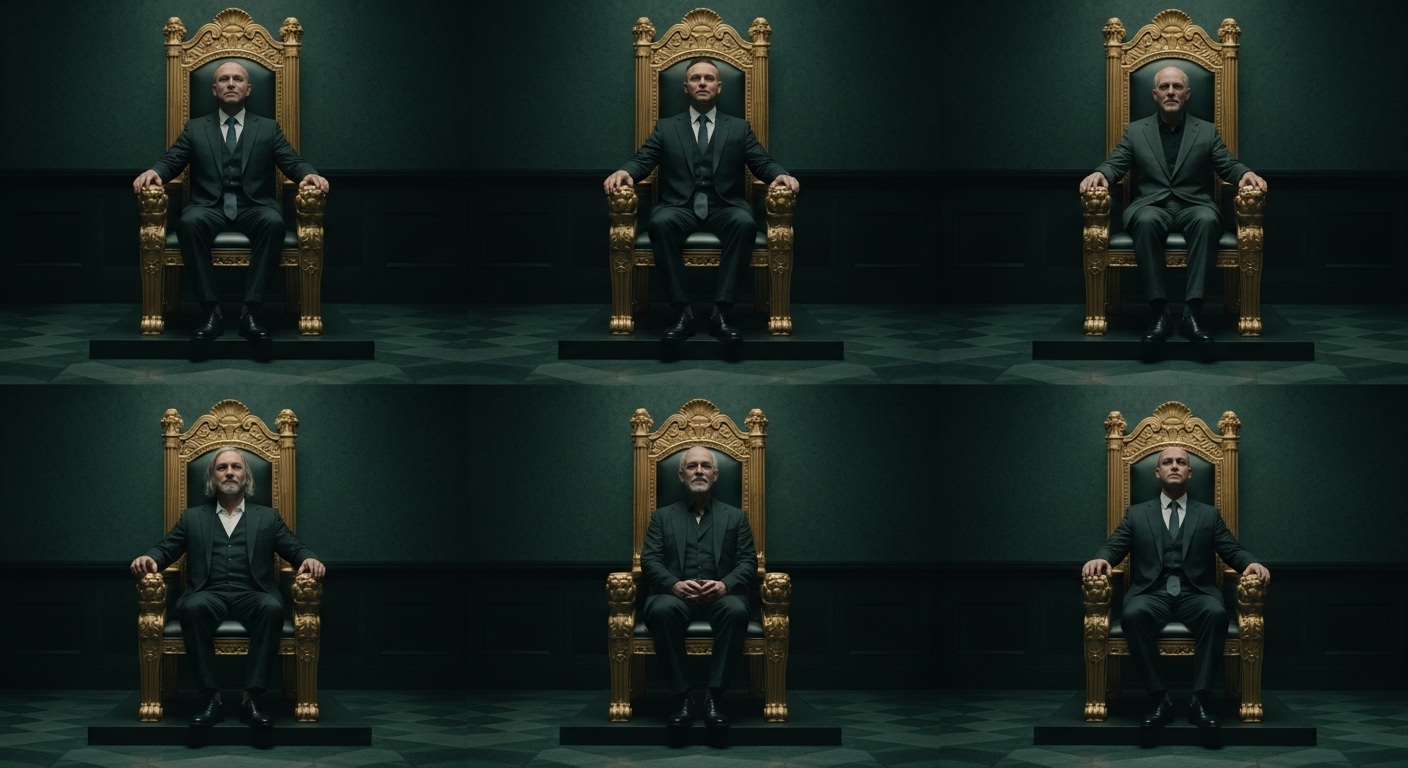
Motion without direction. Thought without governance. The experience of being busy mistaken for the experience of being conscious.
The mind is not silent. It is not still. It is not under control. Yet you experience this constant agitation as your normal state, so thoroughly normal that you do not perceive it as abnormal. You do not recognize that what you are experiencing is not consciousness — but unconsciousness operating with extreme efficiency.
The Hidden Architecture
This is not a personal failure. This is a design problem.
The human nervous system evolved to operate efficiently. Efficiency demands automation. The more a pattern is repeated, the less conscious attention it requires. This is adaptive in environments where survival depends on quick reactions. But in the modern condition — where you are bombarded with stimulation designed to exploit your attention, where you inherit complex psychological patterns from your family and culture, where survival strategies learned in childhood still run your mind — this efficiency becomes a trap.
Your consciousness contains multiple systems operating simultaneously. Each of them directs your attention. Each influences your choices. Each shapes your interpretation of reality. And none of them is you.
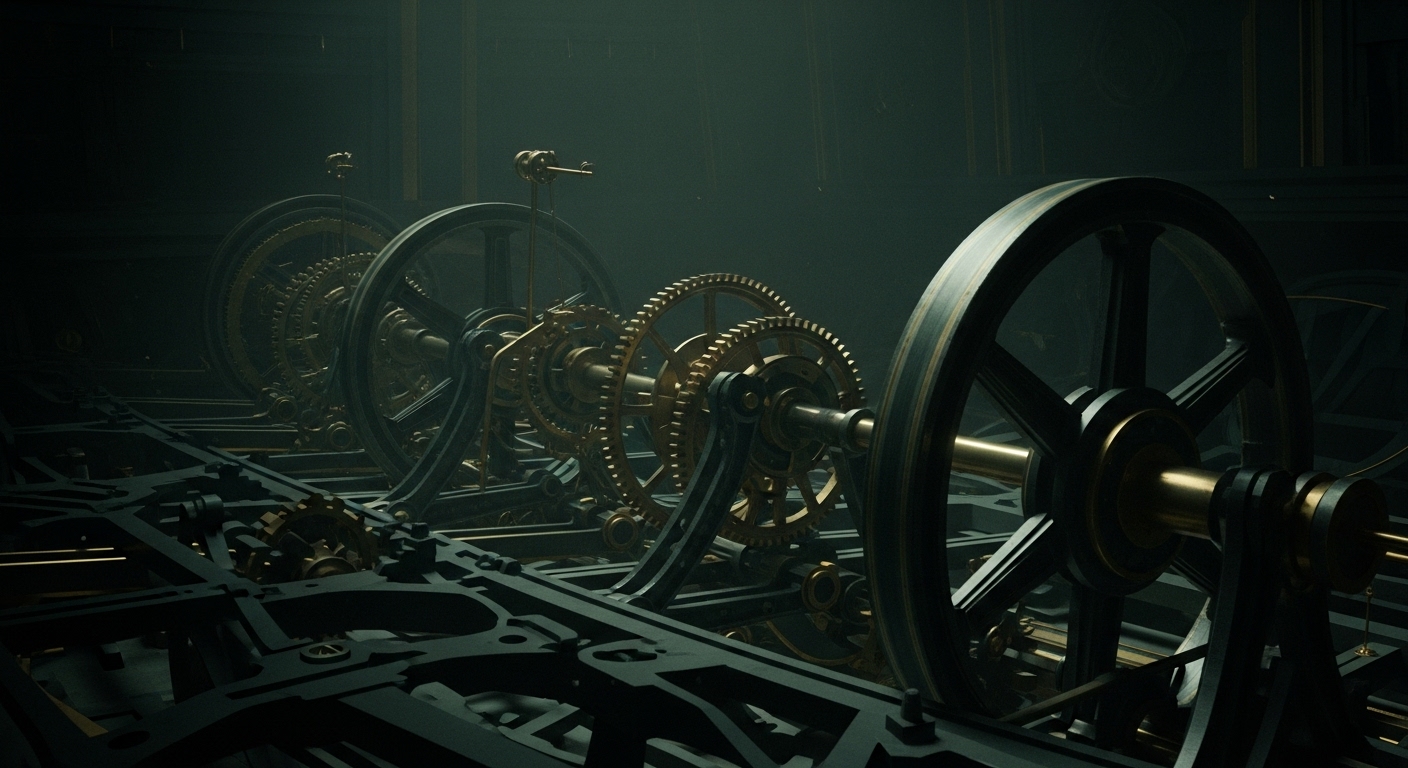
Patterns. Voices. Impulses. Strategies. All operating without conscious authorization.
Habitual patterns that repeat without your awareness.
Reactive impulses that trigger automatically in response to stimuli.
Internalized voices that speak to you as if they were your own thoughts, but are not.
Collective imperatives — the invisible demands of culture — that you have absorbed so completely that you experience them as your own values.
Survival strategies developed years ago in response to threats that may no longer exist, yet still govern your behavior.
Yet you experience all of this as yourself. You call this "your personality" or "your nature" or "who you are." But this is confusion. These are systems. They are not your consciousness. They are what runs your consciousness when you are not governing it.
The critical fact: Most people are not governing their consciousness at all. They are being run by these systems and calling it freedom. They are experiencing the operation of automation and mistaking it for awareness. They are being moved by forces they do not understand and labeling this as their own will.
This is not weakness. This is the default condition of the unexamined mind.
Authority and Its Absence
In every organization, there is a seat of decision-making. In a government, it is the position from which policy is established. In a business, it is where fundamental choices are made. In a consciousness, it should be the same: a center from which awareness directs attention, establishes values, and makes choices.
But what if that seat is empty?
What if the fundamental decisions in your consciousness — what matters, what is true, what is valuable, what you should do — are being made by something other than conscious authority? This is the actual condition of most human beings.
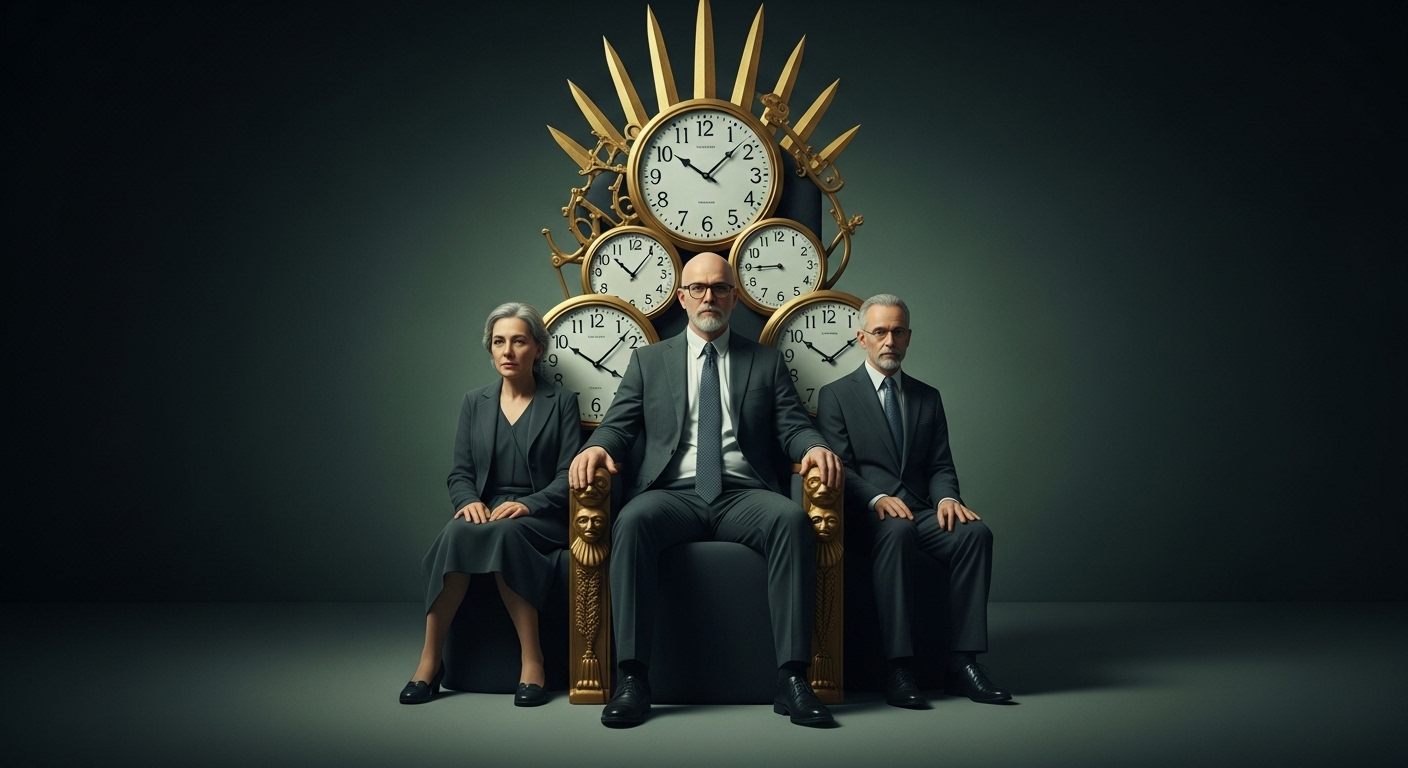
The seat of authority. Occupied. But by what? And where are you?
The throne of consciousness is occupied — but not by you. It is occupied by:
The pattern that captured you when you were too tired to notice.
The voice of your father speaking through your mind as if it were your own thought.
The cultural imperative that you absorbed so young you believe it is natural law.
The survival strategy that once protected you and now prevents you from living authentically.
Pure reflex — stimulus and response, with no awareness in between.
You experience decisions being made. You experience having thoughts. You experience being yourself. But the decision-making authority is not actually yours. It has been colonized by forces you did not consciously choose and do not actively govern.
This colonization is so complete, so invisible, that most people never recognize it. They live their entire lives with someone — or something — else sitting on the throne of their consciousness, and they call this "being themselves."
They do not know any other way. They have never experienced the alternative. So they believe this is what consciousness is. They believe this is freedom.
Part A has diagnosed the problem: consciousness without governance. Activity without authority. Decision-making that is not actually yours.
Part B will ask a different question. If this analysis is correct — if the throne of your consciousness is indeed occupied by forces other than yourself — then what becomes possible? What does it actually mean to govern your own consciousness? And is such governance even achievable?
Before continuing to Part B, sit with this question precisely: Who, or what, is actually making the fundamental decisions in your consciousness right now?