 ABU LAHAB · Section One
Section One
The Mechanism: How the Flame Becomes Identity
How legitimate anger converts into a committed position that organizes the self
Abu Lahab does not arrive fully formed. It develops in three stages, each one building on the last, each one moving the flame closer to the center of identity.
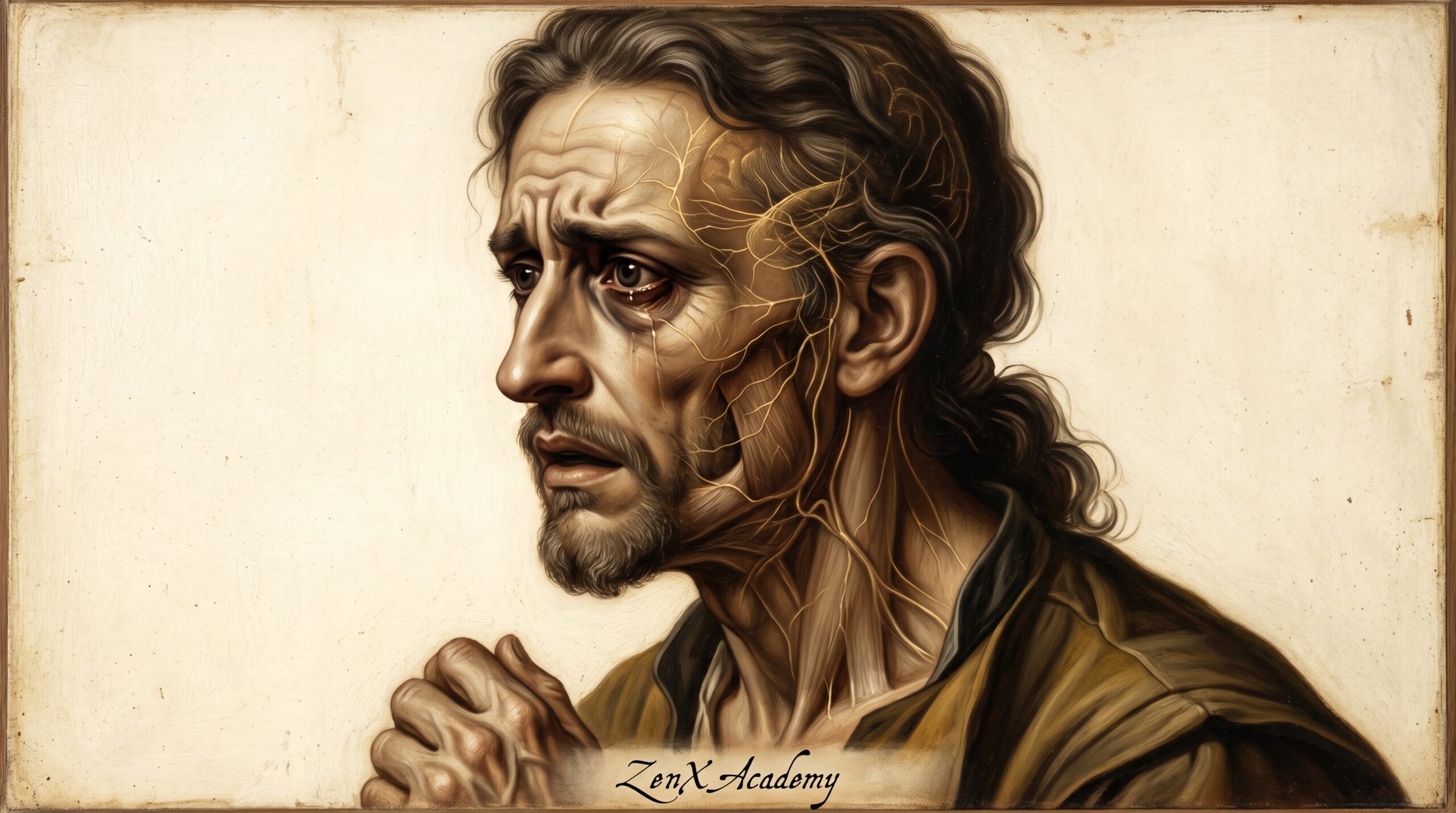
The Three Stages
Abu Lahab does not arrive fully formed
The Spark
Something happens. A betrayal, real or perceived. An injustice, large or small. A challenge to status, loyalty, or position. A moment where something important felt threatened, dismissed, or attacked.
At this stage, the response is appropriate. The anger is a signal, functioning correctly. Something here requires attention. Something here matters enough to protect.
The Fuel
The spark does not extinguish. Instead, it is fed. Through repetition of the original grievance in memory. Through the collection of evidence that confirms the original verdict. Through the reinterpretation of neutral events as further proof.
This stage often feels like clarity: "I finally see this person for who they really are." "I was right to feel this way."
The Commitment
The flame has been burning long enough that extinguishing it would feel like a loss. Not just a loss of the position, a loss of the self that was built around it.
At this stage, Abu Lahab is no longer anger. It is identity infrastructure. The grievance is not something the person has. It is something the person is.

Why Abu Lahab Feels Like Justice
The flame was lit by something real
Abu Lahab always arrives with a reason. Not a fabricated reason. Often a legitimate one. The original wound was real. The original threat may have been real. Abu Lahab does not require dishonesty to function.
It requires only that the legitimate grievance be converted from a signal into a sentence, from information the self received into a verdict the self became organized around.
The flame feels like justice because it was lit by something real. What the state does not show you is what the flame has been consuming since the moment it was lit.
The wound was real. The verdict was installed. These are two different things — and Abu Lahab depends on your not seeing the distance between them.
What the Flame Consumes
Abu Lahab does not only burn outward
The flame does not only burn in the direction of the original grievance. It burns inward, and outward, and forward, across everything it touches.
New situations are read through the filter of the original verdict. Neutral behavior becomes confirmation. Genuine change in the other person becomes reinterpreted or dismissed.
The people around the flame learn to navigate it. They adjust not toward what is true but toward what will not ignite. The relationship reorganizes itself around the flame.
A committed position is expensive. It requires maintenance. Memory keeps returning to the injury. Attention keeps searching for confirmation. Complexity becomes an inconvenience.
The state cannot fully receive evidence that contradicts the verdict. Not because intelligence is absent, but because contradiction threatens not just the position, but the identity constructed on top of it.
This is the cost that arrives last, and is noticed least. Eventually the flame begins choosing before you do. Your reactions in certain situations become predictable, not because you decided, but because the committed position decides first.

Micro Recognition
Abu Lahab in ordinary moments
You send a message. No response arrives.
Five minutes later: "They are ignoring me."
An hour later: "They always do this."
Later: "I knew what kind of person they were."
Nothing new entered reality. Only heat entered interpretation. The verdict arrived — and reality reorganized itself around it.
This is Abu Lahab operating, not only in history, but in ordinary moments people rarely examine. In the space between a sent message and an unanswered one. In the silence after criticism. In the assumption made before a question is asked. In the verdict issued before reality finishes speaking.
The Question This Section Leaves You With
Not analytically. Honestly.
Before moving to Section Two, sit with this — not analytically, but honestly:
Is there a position you currently hold that arrived before you finished examining the evidence — and that you have been defending rather than continuing to examine?
Do not answer immediately. Abu Lahab rarely introduces itself as a problem. It usually introduces itself as something you are proud to defend.
Section Two is not designed to explain Abu Lahab further. It is designed to locate it. Because a structure cannot be examined until it becomes visible.