 ABU LAHAB · Section Two
Section Two
Abu Lahab in Daily Life: Where the Flame Operates
Five locations where the flame most reliably runs in you before you have named it
Most people, when introduced to Abu Lahab, immediately think of someone else. This section is not an invitation to locate the flame in others. It is an invitation to find where it operates in you.
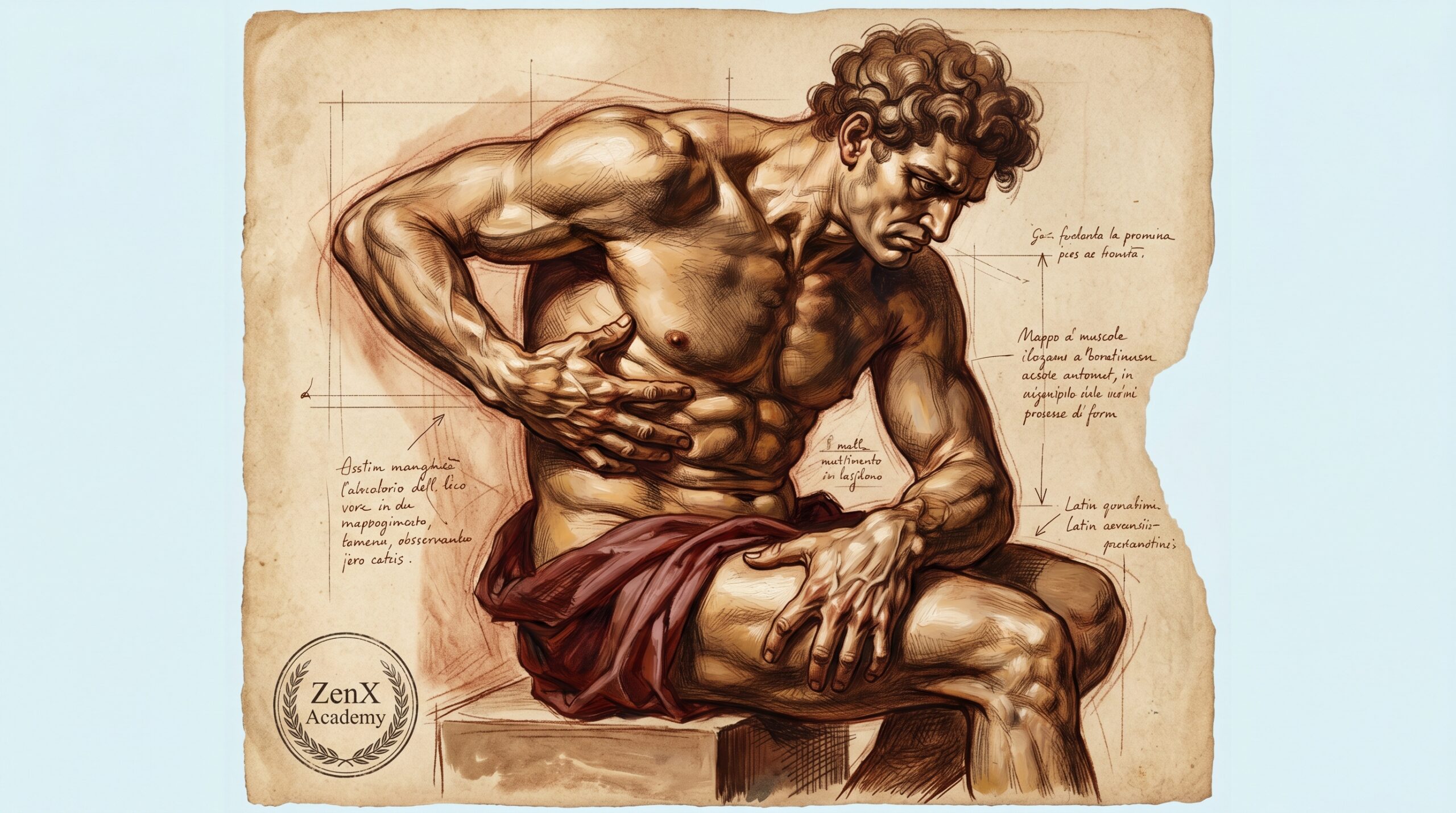
Before You Look
From seeing it in others to locating it in yourself
Most people, when introduced to Abu Lahab, immediately think of someone else. A person they know. A public figure. A family member whose rigidity is obvious from the outside.
This is the first move of the state itself, to present itself as something you observe in others before you locate it in yourself.
What follows is not an invitation to identify Abu Lahab in the world around you. It is an invitation to find the five locations where it most reliably operates in you, before you have named it, and often before you have noticed it.
What These Five Locations Have in Common
Not rage. Settled certainty.
None of them look like rage. None of them feel like loss of control. Each of them feels, from the inside, like clarity, like principle, like knowing.
This is what makes Abu Lahab more difficult to work with than ordinary anger. Ordinary anger is visible. It produces heat that others can see and that the self can register.
Abu Lahab produces settled certainty. And settled certainty does not announce itself as a state to be examined. It announces itself as the ground you stand on.
Exercise One — The Flame Inventory
Locating the positions before examining them
Before Section Three, complete this in writing. Identify one example from each of the five locations, drawn from your actual life, not hypothetical situations.
For each one, write two sentences only: "The position I hold is..." "This position arrived when..."
Do not analyze. Do not justify. Do not evaluate whether the position is correct. Simply locate it. Name it. Give it a date of origin, even an approximate one.
This is the first act of the Ibrahim function in the presence of Abu Lahab: not to destroy the flame, but to see it clearly enough to know where it is burning.
Section Three is not more explanation. It is the assessment, the mirror placed directly in front of the structure you have just located.