 ABU LAHAB · Section Four
Section Four
The Gap Between Heat and Verdict
How to recognize and occupy the brief space between what arrives and what you decide it means
Abu Lahab does not move from signal to identity in one step. This section traces the sequence, and focuses on the small but real gap where examination can begin.
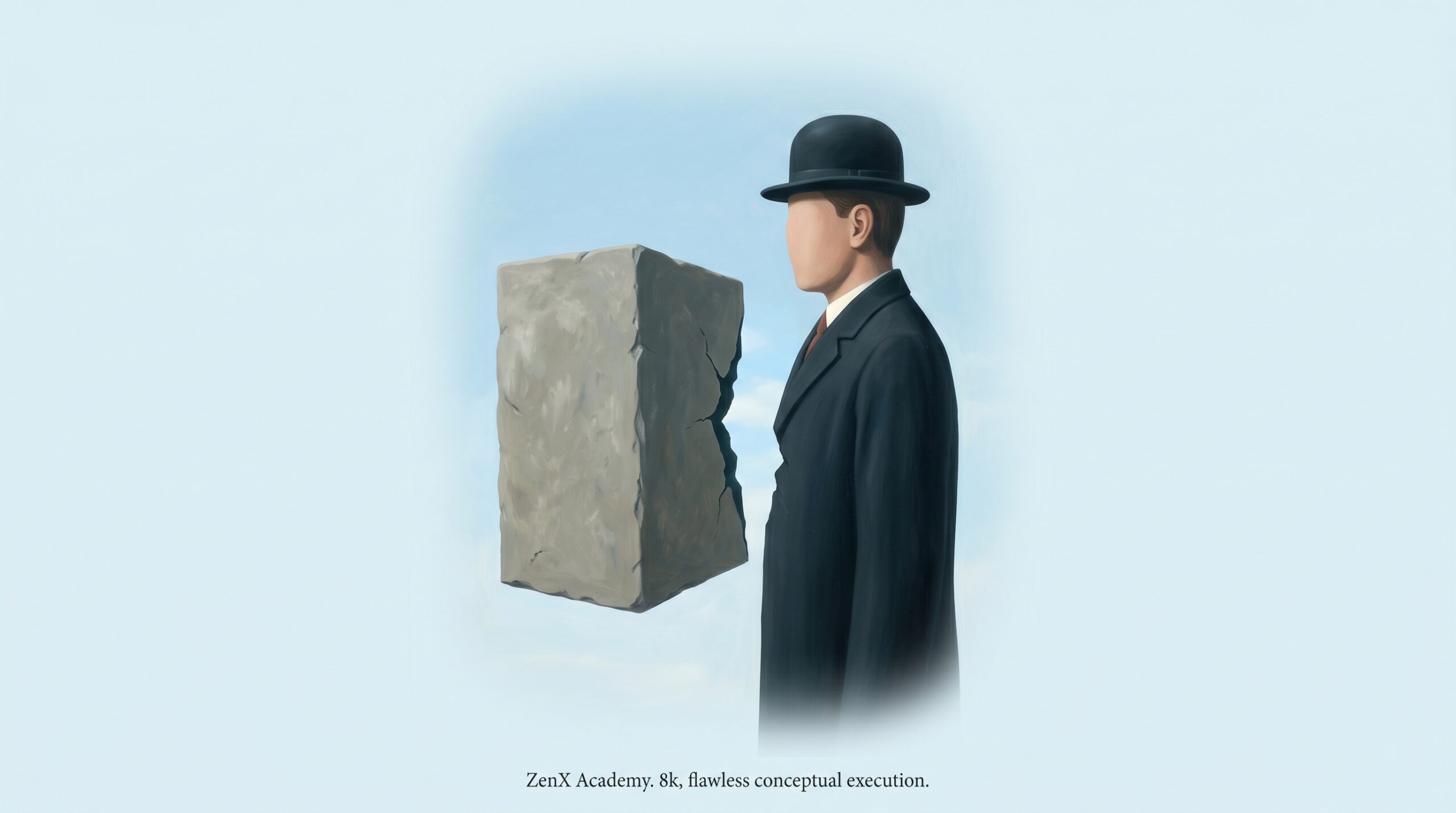
What This Section Is About
From signal to identity, and the space in between
Abu Lahab does not move from signal to identity in one step. There is a sequence.
The Abu Lahab Sequence
Signal → Heat → Interpretation → Position → Verdict → Identity
Identity feeds back into interpretation, so the next signal is already pre-read before it fully arrives.
Each stage happens faster than the previous one, until the entire sequence collapses into what feels like a single, instantaneous response.
But it is not instantaneous. There is a gap. Between the heat and the verdict, between what arrived and what was decided, there is a moment.
Brief. Often less than a second. But real.
This section is about that gap. Not about eliminating the heat. Not about controlling the verdict after it has issued. About learning to occupy the space between the two.
Why the Gap Is Hard to Find
Not hidden. Compressed.
The gap is not hidden. It is compressed.
Years of repetition have collapsed the distance between signal and conclusion until they feel simultaneous.
The body tightens, and the interpretation is already there. The message arrives, and the meaning is already assigned. The challenge lands, and the defense is already forming.
This compression feels like knowing. It feels like clarity. It feels like having learned, finally, how to read situations accurately.
What it actually is: a pattern executing at full speed, one that has practiced this particular route so many times it no longer needs to pause.
The gap is there. It has simply been running through without being noticed.
The Three Signals That Announce the Gap
Markers that the sequence has begun
These are not signals of the verdict. They are signals that the sequence has begun, that heat has entered and interpretation is forming.
If you can recognize any one of them, you are standing at the entrance to the gap.
Signal One
Premature Certainty
Something happens. And before you have had time to fully receive it, you already know what it means. Not a considered conclusion. A certain one.
The certainty arrives faster than the complexity of the situation warrants. This is the most reliable signal that Abu Lahab's sequence has been activated, because genuine understanding does not arrive this quickly in genuinely complex situations.
When certainty arrives before examination, you are at the entrance to the gap.
Signal Two
The Body Decides First
Before the thought forms, before the interpretation arrives, something physical has already moved. Chest tightens. Jaw sets. Breathing shallows. Something closes.
The body is responding to a resemblance, to pattern-match, not to this specific situation, examined on its own terms.
When the body moves before the thought arrives, you are at the entrance to the gap.
Signal Three
The Sentence That Forms Itself
A thought arrives already constructed. Not built word by word through reflection, but delivered fully formed: "They always..." "This is exactly what I knew would happen." "Of course."
A self-completing sentence is a verdict in the process of issuing.
When the sentence arrives pre-written, you are at the entrance to the gap.
What the Gap Actually Feels Like
Not control. A small, uncomfortable pause.
People expect the gap to feel like control, like a pause, like a decision point. It does not.
In the beginning, entering the gap feels like a strange hesitation where a response would normally be immediate. A slight disorientation, like arriving somewhere without quite recognizing how you got there.
Sometimes, there is a faint resistance, as if something is being interrupted that wanted to complete.
That resistance is real. It is the committed position encountering a delay it did not invite.
The gap does not feel like freedom, not at first. It feels like a small, uncomfortable pause between the heat and the habitual response. That pause is enough.

What Becomes Possible Inside the Gap
Not changing the verdict. Recognizing that it is forming.
You are not trying to change the verdict in the gap. You are not trying to be calm, measured, or fair.
You are doing one thing only: noticing that a verdict is forming before you have finished receiving the situation.
That noticing, even partial, even imperfect, separates you from the sequence by a fraction. And in that moment, examination has entered the process.
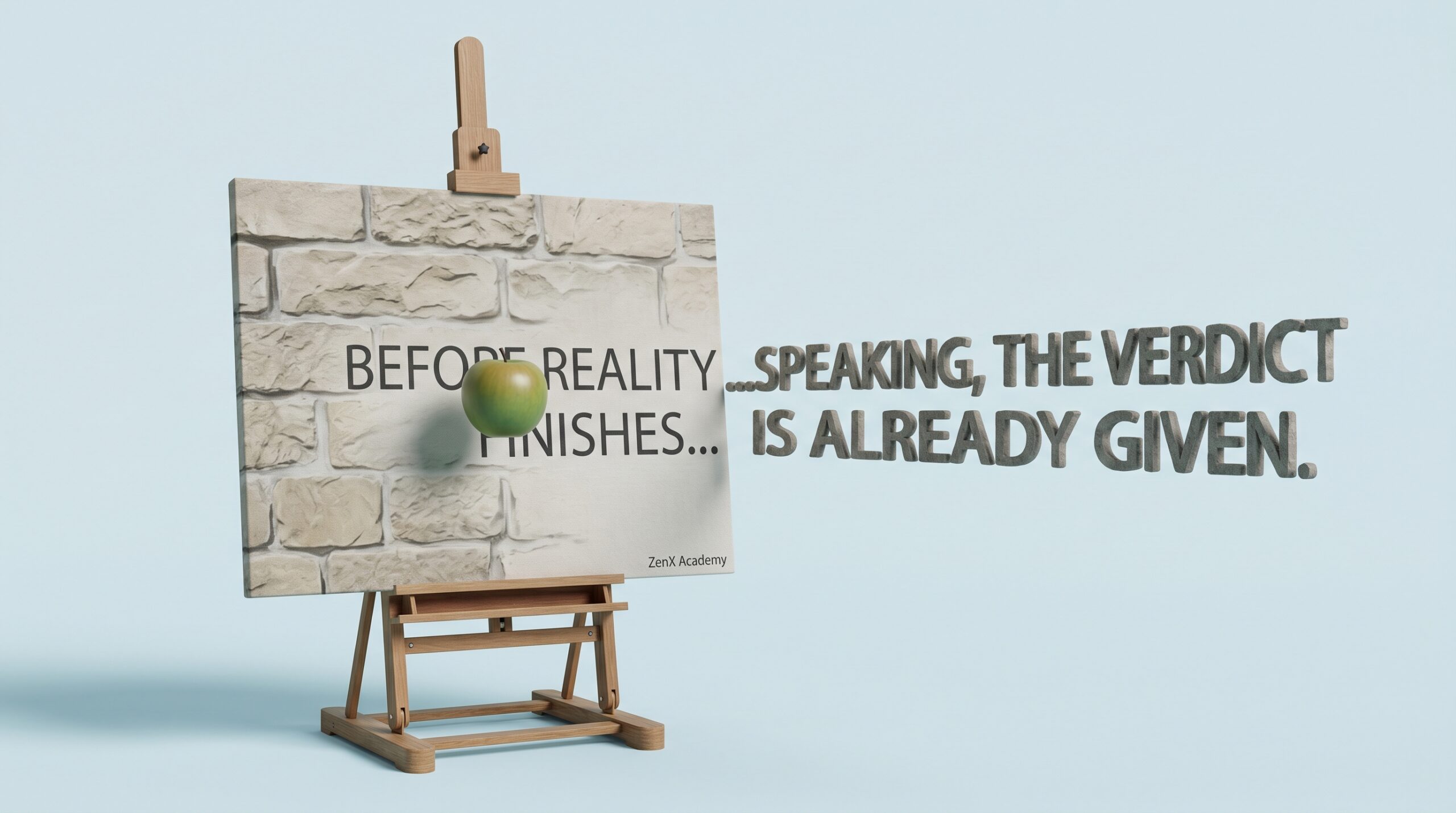
Abu Lahab rarely waits for reality to finish speaking. It prefers completing the sentence itself. The gap is where that completion can be interrupted, not permanently, not dramatically, but enough.
Exercise Two — The Gap Practice
Seven days of naming the signals
This practice runs for one week. You are not trying to respond differently. You are not trying to interrupt the verdict.
You are only practicing the recognition of the three signals, in real time, in actual situations.
Each time you notice one of the three signals, name it internally: "Premature certainty." "Body moved first." "Sentence arrived pre-written."
That is the entire practice.
At the end of each day, write one sentence: "Today, I noticed the gap opening here:" followed by the situation, in one line.
Not an analysis. Not a judgment. The location. The signal. One line.
Naming a signal, even silently, introduces a fraction of distance between the heat and the execution. The verdict may still issue. The response may still be the habitual one.
But something registered before it completed. And that registration, practiced daily, across varied situations, begins to make the gap visible earlier in the sequence.
A Note on Patience
The point of seven days
Abu Lahab's sequence was compressed through years of repetition. The gap will not widen in seven days.
What seven days produces is more foundational: proof, to yourself, that the gap exists.
That there is a moment between what arrives and what you decide it means. Once you know that moment is real, the work that follows becomes possible.
Section Five moves to the question the gap makes possible: what is the flame actually protecting, and why that question changes everything.