 AZAR · Section One
Section One
The Mechanism
How Azar Installs Itself
Before you could question anything, the installation was already complete. This section explains how that happened, and why it feels so much like you.
The Man Who Carved Idols
A portrait of the pattern
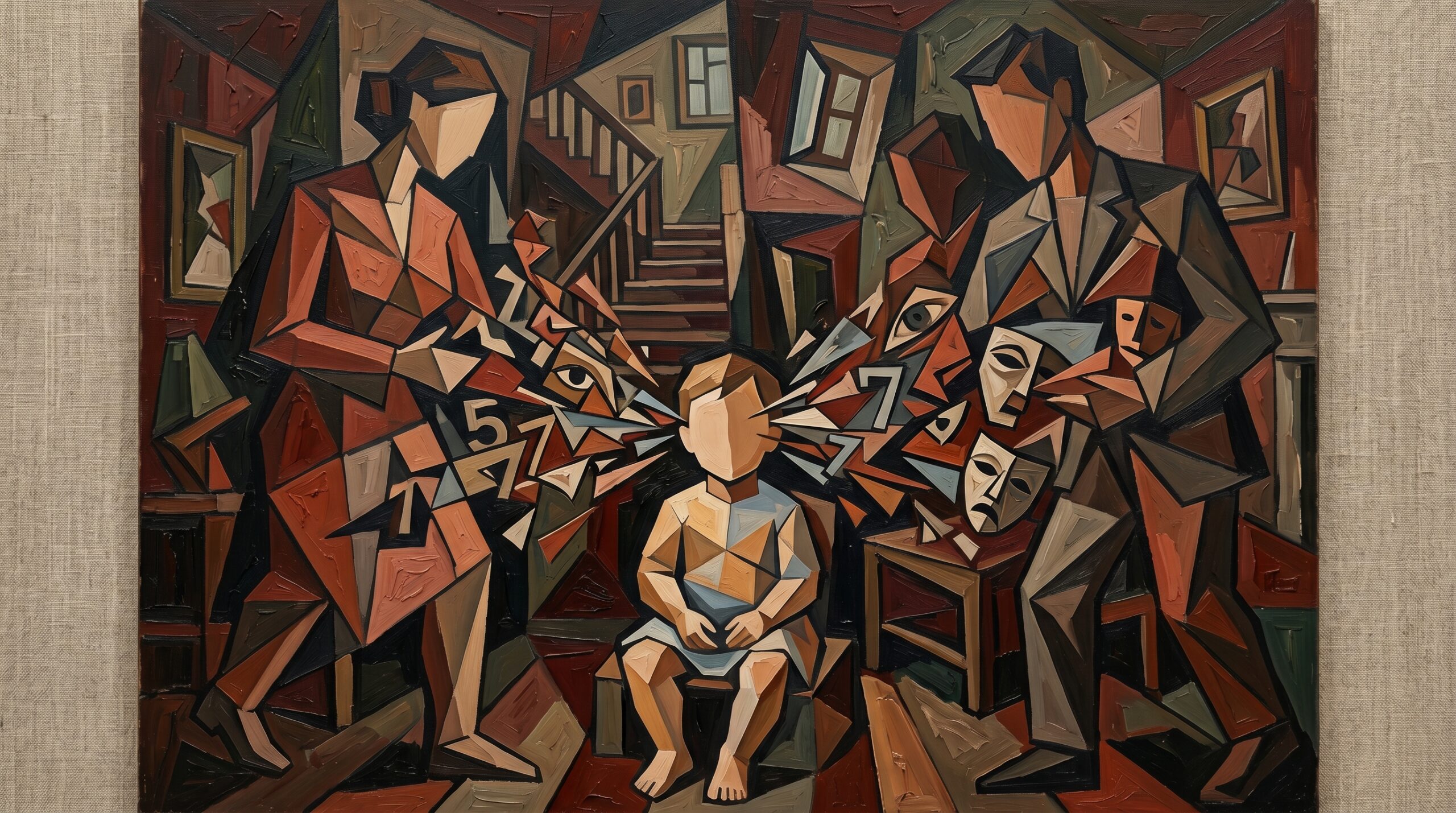
In the ancient texts, Azar is the father of Ibrahim. He spent his life carving idols and handing them to people to worship.
He did not force anyone. He did not threaten anyone. He simply placed the idol in front of you before you were old enough to ask: should I worship this?
This is the psychological meaning of Azar. Not a villain. Not an enemy. A system that was built into you before you had the tools to examine it.
Every family has an Azar. Every culture has an Azar. Every generation passes its idols to the next and calls them values, identity, and common sense.
An idol you know is an idol, you can put down. An idol you believe is you, that one is much harder to see.
The work of this room is not to destroy what was handed to you. Ibrahim did not hate his father. He simply stopped worshipping what his father made. That distinction, between condemning the source and questioning what it produced, is everything in this kind of work.
How the Installation Happens
The window before the analytical mind arrives
Between the ages of zero and seven, the human brain operates primarily in a receptive state. The analytical faculty, the part that questions, compares, and decides, has not yet developed.
During this window, everything enters directly.
What your parents feared, you learned to fear. What your environment valued, you learned to pursue. What your community rejected, you learned to hide.
No one asked for your agreement. No one waited for your consent. The data was recorded. The reference points were set.
When the analytical mind finally arrived, it found a world already organized, already labeled, already decided. It did not build the house. It simply moved in.
This is not anyone's fault. The young mind absorbs before it can filter because that is how it learns fast. The problem is not the process. The problem is what gets downloaded, and the fact that no one told you it was happening.
Why It Feels Like You
The most important thing to understand about Azar
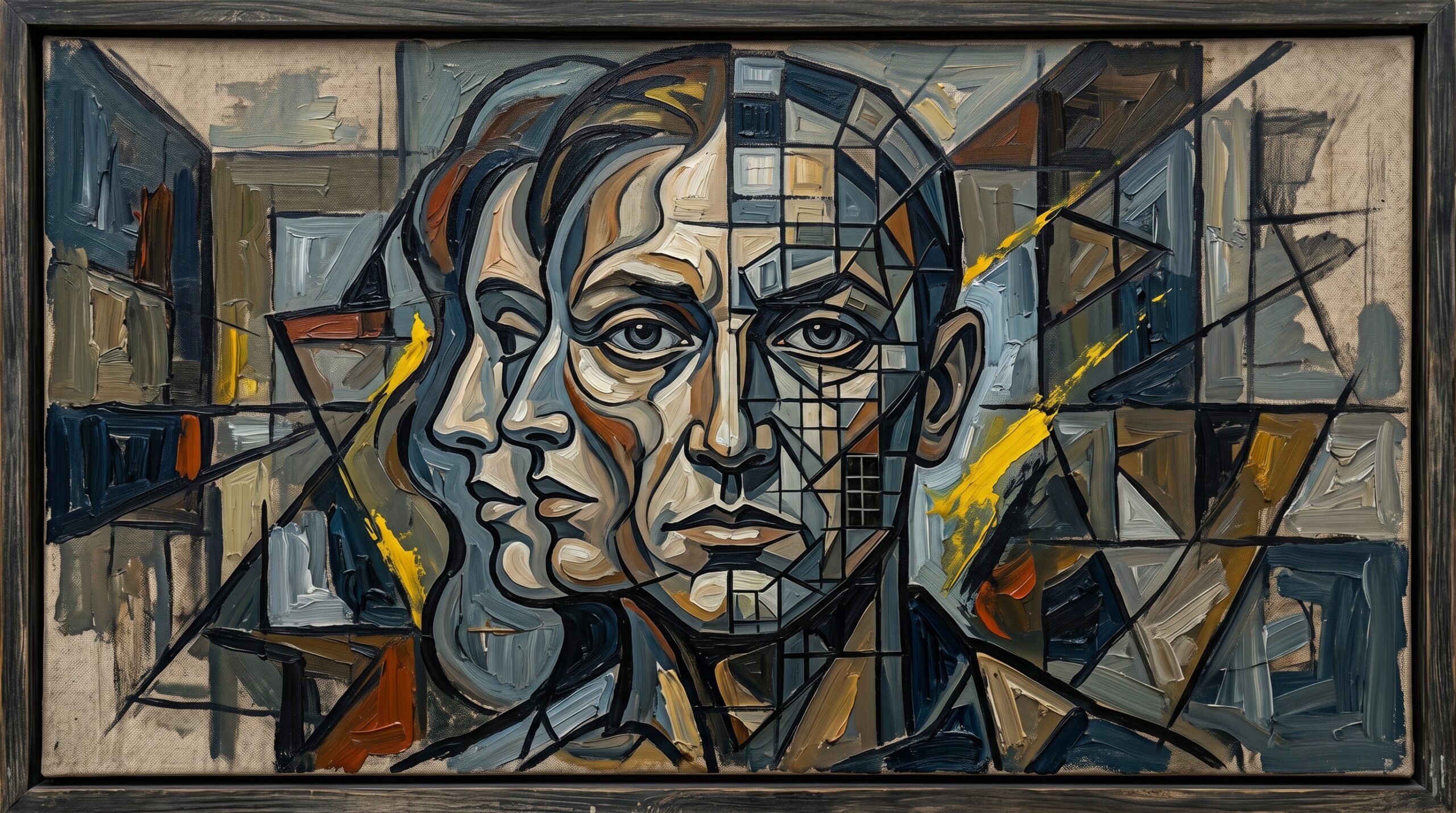
The programming does not announce itself. It does not say: this is an inherited belief. It says: this is just how things are.
It does not say: this reaction was installed in you at age five. It says: this is just who I am.
When Azar runs, it does not feel like programming. It feels like personality. It feels like instinct. It feels like truth.
This is why most people never question it. Not because they are unintelligent, but because the programming is designed to feel like the self.
You are not broken. You are not weak. You are running software you did not write, on hardware you did not design, in situations the original programmers never anticipated.
The Three Layers Azar Operates On
Azar does not work on one level. It shapes three distinct areas of your inner life.
What You Believe
The assumptions you hold about yourself, about others, about how the world works. These were formed before you could test them. They feel obvious. They feel self-evident. They are rarely examined.
- "People like me don't succeed at that."
- "Asking for help is weakness."
- "Love means sacrifice."
- "Money is complicated."
How You React
The automatic responses that arrive before thought. The tightening. The shutdown. The over-explanation. The sudden anger or the sudden silence. These are not character traits. They are trained responses that were reinforced so many times they became reflex.
Who You Think You Are
The deepest layer. The identity Azar builds. The story you tell yourself about the kind of person you are. "I am not someone who..." or "I have always been..." These sentences often carry more Azar than anything else.
The Science Behind It
Simply stated
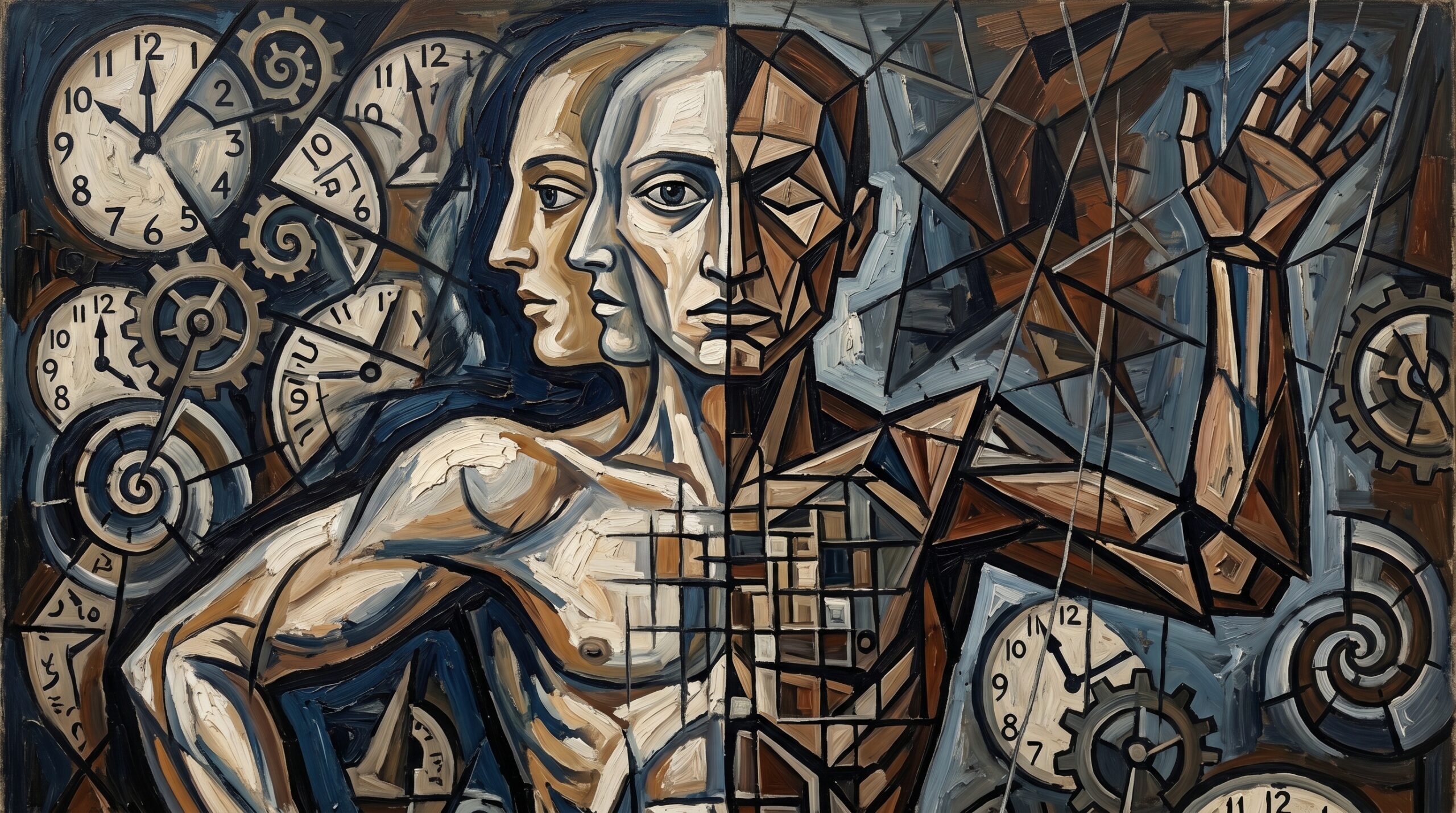
Research in behavioral psychology shows that between 40 and 50 percent of daily human behavior is automatic, meaning it runs without conscious decision-making. This is not a flaw. It is how the brain conserves energy.
The brain takes repeated experiences, compresses them into patterns, and stores them as defaults. This is called automaticity. It is efficient, useful, and completely unconscious.
The problem is not the system. The problem is that most of the patterns running on this system were installed by someone else, in a different time, for a different world. And no one told you they were there.
Most of what runs you today was written for a version of your life that no longer exists.
Programming Versus Choice
Before we move to the next section, hold this clearly.
| Azar's Programming | Your Chosen Response |
|---|---|
| Arrives before thought | Comes after awareness |
| Feels automatic | Feels deliberate |
| Protects the inherited self | Serves the actual self |
| Runs in the background | Requires observation to activate |
The work is not to destroy Azar. Ibrahim did not hate his father. He simply stopped worshipping what his father made. That is the entire direction of this room.
In Section Two, you will take the Azar Self-Assessment and begin to see exactly where your Azar speaks loudest.