 AZAR · Section Eight
Section Eight
From Practice to Operating Orientation
How the work of observing, interrupting, and interrogating Azar moves from deliberate practice into the background of how you operate
Integration is not a stage you reach or a state you arrive at. It is the gradual shift from tools you remember to capacities you live from — imperfectly, repeatedly, in real conditions.

What Integration Is Not
Not a stage, not a level, not an end
Integration is not a stage you reach. It is not the point at which the work becomes easy, or the patterns stop recurring, or the gap appears automatically without effort.
It is not a level of consciousness. It is not a permanent state. It is not what happens after you have finished.
The work described in the previous seven sections does not conclude. What changes is how it is carried.
The Difference Between Practice and Orientation
From tools you remember to a background you operate from
In the early stages of this work, the tools require deliberate activation. You remember to observe. You remember to look for the signal. You remember to insert the gap. You remember to interrogate before executing.
This deliberateness is necessary, and it is also effortful. It requires attention. It competes with everything else.
Integration begins when these operations stop requiring a separate act of remembering, and start becoming the background from which you operate.
Not automatic, that is Azar's territory. Not effortless, that is a fiction. But available.
The difference between a tool you have to retrieve and a capacity that is present when the situation calls for it.
The gap is available more often than it is not. The observation arrives before you have to summon it. The interrogation happens faster, not because it has been shortcut, but because the questions have been practiced enough to arrive with the situation.
How Integration Actually Develops
The same way any capacity develops: repetition in varied conditions
It develops the same way any capacity develops: through repeated use in varied conditions.
A response constructed once, under careful conditions, is a beginning.
The same response constructed again, under different conditions, with different pressure, is practice.
The same response available under high pressure, without prior preparation, that is integration beginning.
This does not happen on a schedule. It does not happen linearly.
There will be periods where the work feels solid, where you notice Azar activating and respond with precision.
And there will be periods where the old patterns run almost as freely as before, usually when the conditions identified in Section Seven are most present: depletion, high stakes, unfamiliarity, or close resemblance to original contexts.
Both of these are part of integration. Not evidence of its presence or absence, evidence of its progress.
Three Signs That Integration Is Occurring
Small shifts, observable in daily operation
Sign One — The Retrospective Window Shortens
Early in this work, recognition arrives long after execution. Hours later. Days later. Sometimes only when a pattern has repeated enough times to become visible in retrospect. As integration develops, the retrospective window shortens. You notice what happened during the conversation, not only after it. You recognize the role activating in the moment, not only when you review it later. You catch the pre-formed thought while it is still forming, not only after it has already spoken.
Sign Two — Recurrence Produces Less Momentum
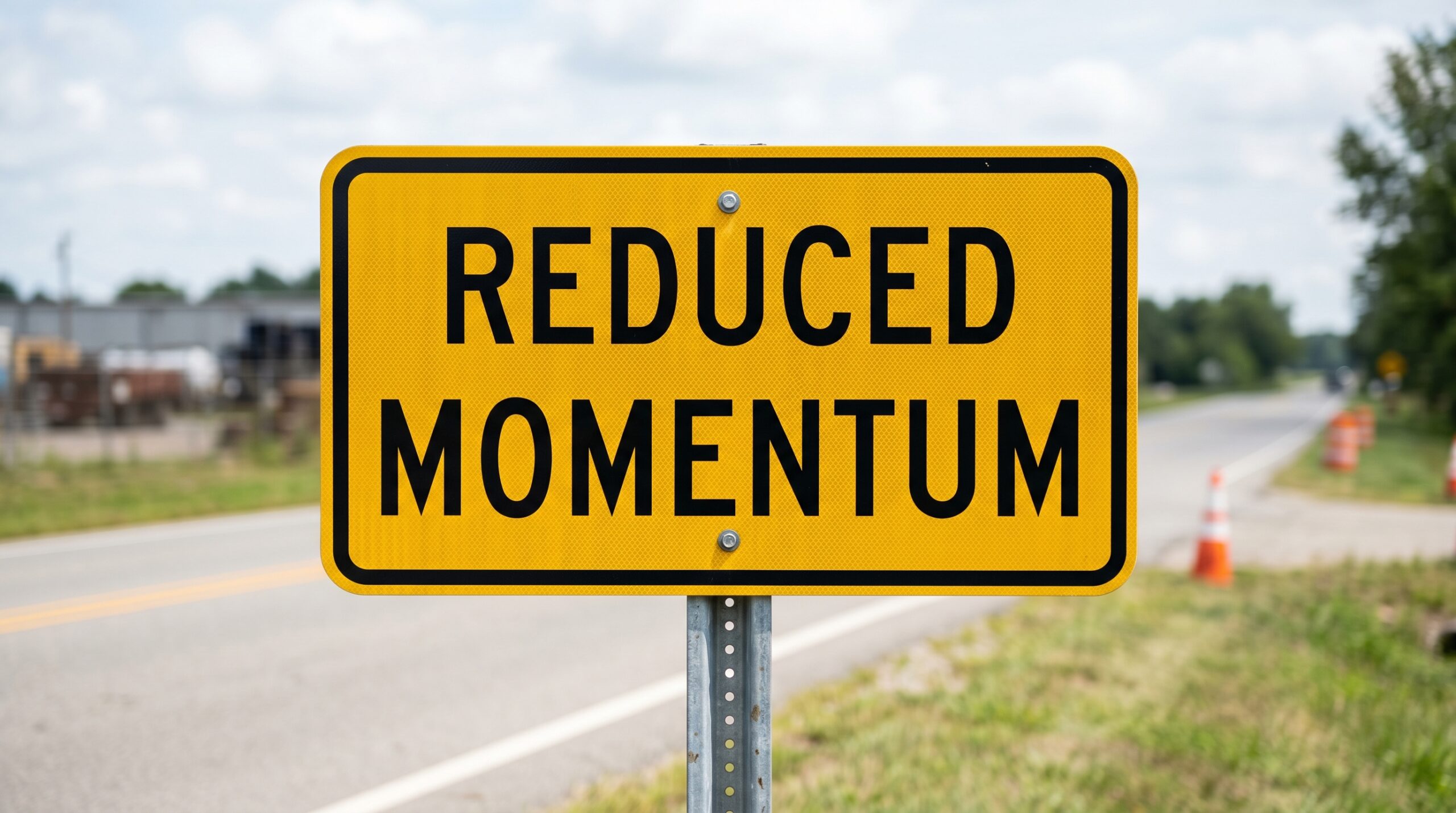
The pattern still executes. But it runs shorter. Where it previously occupied an entire conversation, it now occupies a few sentences before something interrupts it. Where it previously persisted for hours, it now resolves more quickly, because something in you is no longer fully inside it. This is not control. It is reduced momentum. Azar is still activating. But the Ibrahim function is arriving faster, and the gap is shortening the pattern's duration.
Sign Three — The Questions Become Internal
In the beginning, the interrogation in Section Four required structured writing, deliberate steps, time set aside. As integration develops, the core questions become internal: "Did I construct this, or did it arrive?" "Is this command still serving me?" "What is being protected right now?" These questions begin to appear in the middle of situations, not only in reflection afterward. When this happens, the methodology has begun to move from something you do to something you are doing from.

What You Are Building Toward
Not a self without Azar, but a different relationship with installation
Not a self that no longer has Azar. Every human being carries inherited installation. The goal is not a condition where installation has been fully cleared.
What you are building toward is a different relationship with the installation: one in which you are the examiner, not the executor.
This does not mean you always examine before executing. It means that examination is now part of your operating capacity, available to be called forward, increasingly present without being summoned.
Ibrahim did not reach a state where his father's world had no influence on him. He reached a state where he operated from examined positions rather than inherited ones, and where the difference between the two was no longer invisible to him.
That is the orientation this work is building toward. Not immunity. Not liberation. Not transformation. Examined operation.
A Daily Practice for Integration
Minimal by design: one question, one sentence
Daily Practice
One Question, One Sentence
A light but consistent structure that keeps the work inside daily life.
Morning
Before the day's activity begins, identify one situation likely to activate a familiar pattern. Ask: "Which Azar command is most likely to run today, and in what conditions?"
Not a plan to prevent it. Just a moment of anticipation that makes the signal more recognizable when it appears.
Evening
At the end of the day, write one sentence only: "Today, Azar ran here — and I was [inside it / watching it / between them]."
No analysis. No judgment. One honest sentence about your position relative to the pattern.
Over time, this daily record becomes a map, not of failure or success, but of the actual movement of your relationship with what Azar has installed.
The Work From Here
Azar is one state. The map is larger.
This document has addressed one state: Azar. The ancestral installer. The inherited reference system. The mechanism that formats responses before the examining faculty arrives.
But Azar is one state. The map is larger.
Inside what the ZenX framework calls the deeper architecture, the internal system that operates below conscious navigation, there are eight other states.
Each one has a name. Each one has a function. Each one operates in specific conditions, produces specific patterns, and has been mistaken for identity by the people living inside it.
Section Nine introduces the map, not in full detail, but sufficiently to show you where Azar fits within the larger structure you have been operating inside your entire life.
Section Nine — The Deeper Map
From one state to the wider architecture
Section Eight has moved the work from focused practice toward an operating orientation. Section Nine zooms out further.
It begins to outline the deeper map: the nine-state architecture within which Azar is one component, and how recognizing this larger structure changes the way you understand what has been running you.
You are not moving toward a life without installation. You are moving toward a life lived with an accurate map of it.