 The Samiri · Room Three
Room Three · The Samiri
Recognizing Your Samiri: The Self-Assessment
Locating where substitution is most active in you
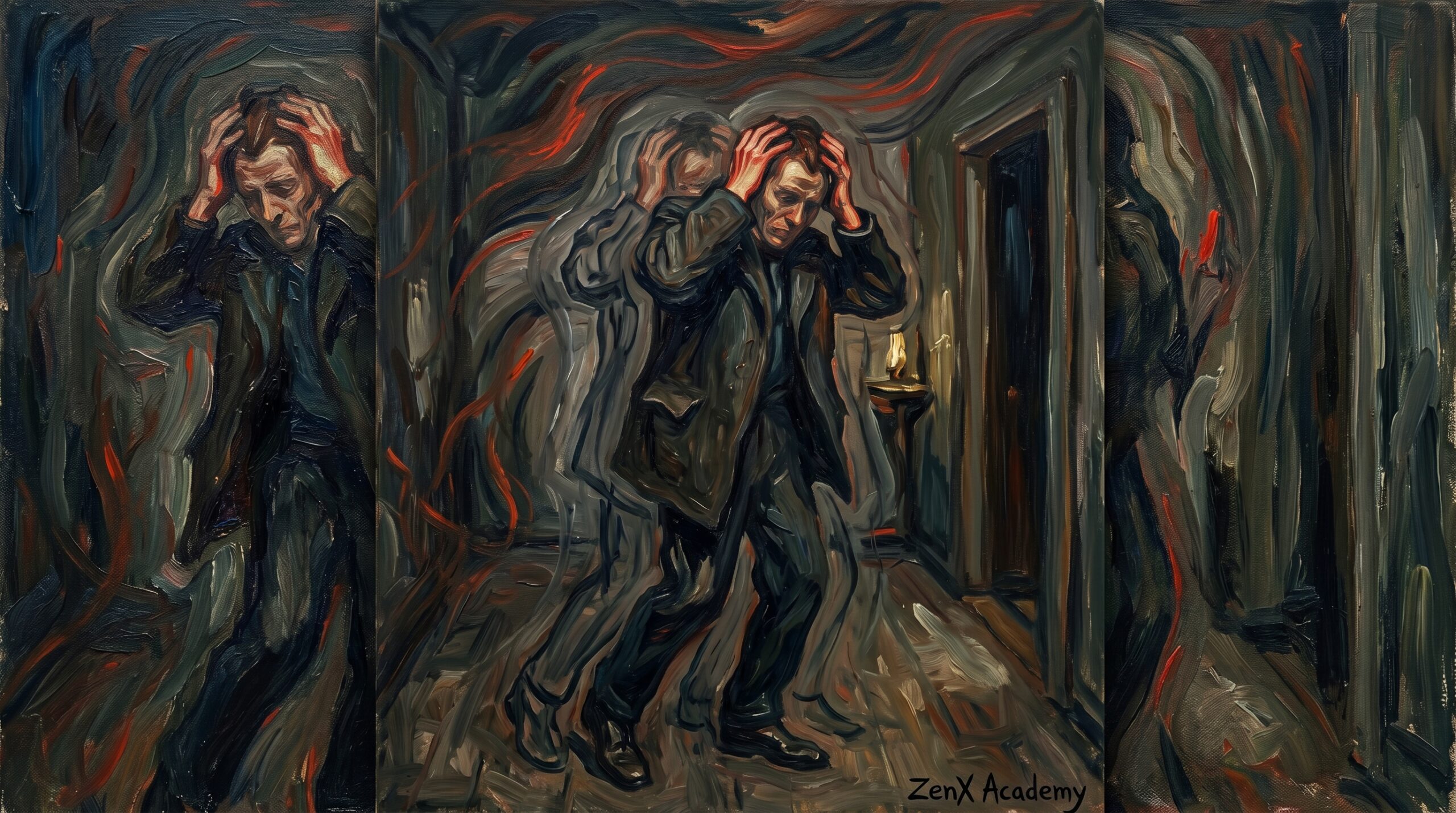
Before the Questions: What Metabolized Meaning Actually Feels Like
A description of the other side before you turn the lens inward
Before this assessment begins, something needs to be established that the previous two sections have not yet named directly.
If the only tool this room provided was the ability to identify Khwar, the reader would finish it paralyzed by a single question: Is anything I hold actually real?
And that paralysis would be its own form of Khwar, the identity of someone so aware of substitution that they can no longer build anything.
So before the assessment, a description of the other side. What metabolized meaning actually looks like. Not performed depth. Not consumed insight. Something that has been through a real process and changed form as a result.
Metabolized meaning has these qualities:
It is quieter than consumed meaning. Insight that has been metabolized does not need to announce itself. It does not require an audience, internal or external, to remain real. It is present when you are alone, tired, under pressure, unglamorous.
It produces friction with your existing patterns. Real transformation is not comfortable. It creates specific discomfort, the discomfort of a capacity that does not yet feel natural, of a response that is available but effortful, of a gap between what you understand and what you can actually do that is closing, slowly, through use.
It becomes more complex over time, not simpler. Consumed meaning simplifies. The framework becomes more settled, more certain, more available as a quick answer. Metabolized meaning becomes more nuanced. The more you live with it, the more conditions it reveals, the more exceptions it generates, the more questions it opens.
It changes what you do, not only what you say. This is the most observable marker. If an insight has been metabolized, there is something you do differently than you did before, in specific situations, under real conditions, when it costs something. Not in reflection. Not in conversation about the insight. In the actual situation.
It does not need to be defended. Consumed meaning requires defense, because the identity organized around it requires the meaning to remain intact. Metabolized meaning can receive challenge without threatening the self that holds it, because it is not holding the self up. It has become part of how the self moves.
Hold this before the assessment. You are not looking only for Khwar. You are locating the spectrum, from consumed to metabolized, across specific areas of your actual experience.
Some of what you find will be genuinely metabolized. Some will be at various stages between. Some will be Khwar.
The purpose of the assessment is not to conclude that nothing is real. It is to identify precisely where the substitution is most active, so that the work can be directed there.
How to Use This Assessment
Answer for who you actually are when no one is watching
For each statement, mark one of the following:
R : Rarely. This does not reflect my current patterns.
S : Sometimes. I notice this occasionally.
O : Often. This is familiar territory.
A : Almost always. This operates consistently.
Answer for who you actually are, in the situations where no one is watching, where the framework is not actively present, where the behavior happens before the reflection.
Domain One: The Consumed Insight
When insight is held faster than it is metabolized
1. When I encounter content that resonates strongly, my first impulse is to share it before I have tested whether it has changed anything in me.
2. I can identify areas where I have held the same insight for more than a year with increasing sophistication in how I describe it and minimal change in the behavior it was supposed to affect.
3. The frameworks I use to understand myself have become more comfortable over time, they produce familiar feelings more often than unexpected friction.
4. When someone challenges an insight I hold, I find myself defending the insight rather than examining whether the challenge has merit.
5. I consume content about a topic faster than I can integrate what I have already consumed.
Domain Two: The Performed Practice
When the practice continues but its original disruption has faded
6. There is a practice in my life, meditation, journaling, prayer, reflection, exercise, that I would describe as important to me, but that rarely produces the kind of disruption it produced when I first began it.
7. I am more consistent in performing the practice than in examining whether the practice is still producing what it was originally designed to produce.
8. The way I describe my practice to others is more refined and more resonant than what the practice actually produces when I am alone with it.
Domain Three: The Understanding That Does Not Move
When knowing yourself does not change what you do
9. I can name my patterns fluently. The naming has become more precise over time. The patterns have not changed in proportion to the naming.
10. I experience genuine insight about myself with a frequency that feels productive, but when I look at my behavior over the past six months, the change is smaller than the insight would suggest.
11. I find it easier to understand why I do something than to stop doing it.
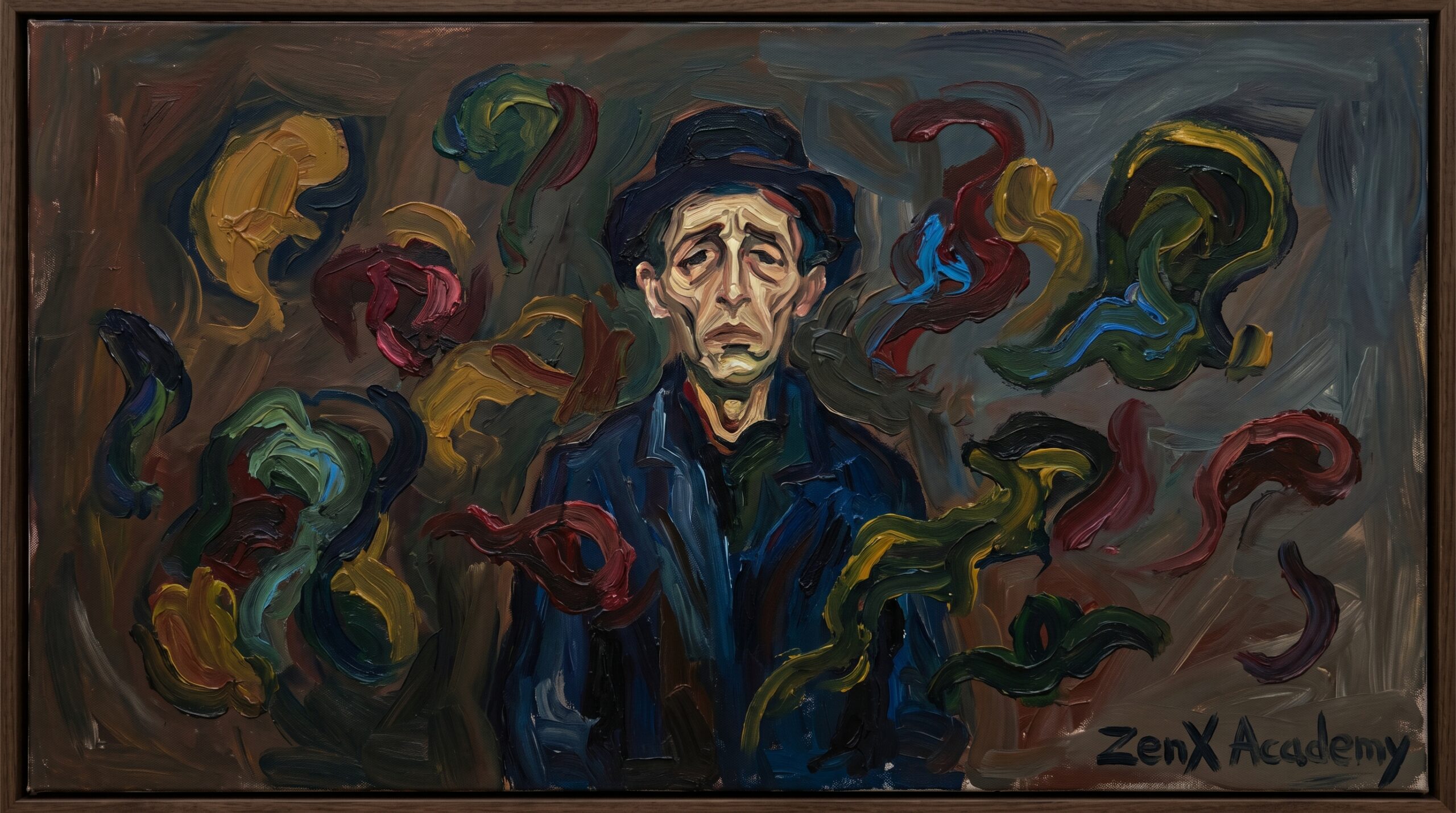
Domain Four: The Relational Mirror
When the idea of the relationship is clearer than the person inside it
12. In at least one close relationship, I have a settled understanding of who the person is, and I notice that my understanding shapes what I see in them more than what they actually do.
13. The people closest to me have a slightly more consistent experience of me than I have of myself, meaning: my self-image varies more than my behavior does.
14. When I am being genuinely honest with someone close to me, something adjusts in how I present, something performs the honesty rather than simply being honest.
Domain Five: The Intelligence About Intelligence
When knowing the mechanisms becomes its own source of Khwar
15. Since working with frameworks for self-understanding, I notice that my certainty about my own patterns has increased alongside my knowledge, rather than uncertainty increasing as understanding deepens.

Reading Your Results
Where the Samiri is most active in you
Look at where you marked O or A.
Do not count them. Identify which domain produced the most consistent pattern.
This is where the Samiri is most active in you, where the substitution between the trace and the addition has been running the longest, producing the most Khwar, at the lowest cost to your sense of yourself as someone who understands.
| Domain | Where Substitution Is Most Active |
|---|---|
| One | Insight is consumed faster than metabolized. |
| Two | Practice has become performance of practice. |
| Three | Understanding substitutes for transformation. |
| Four | Relationship has become mirror rather than encounter. |
| Five | Intelligence has become identity rather than capacity. |
The Key Question
What remains after the identity is removed
For the domain you identified, ask one question only:
"If I removed the identity organized around this, the sense of being someone who understands, practices, grows, knows, what would remain in actual behavior and capacity?"
What remains after the identity is removed is what has been metabolized. What disappears with the identity is what was Khwar.

Exercise Three: The Khwar Test
Testing one belief, practice, or understanding against metabolized meaning
Choose one belief, practice, or understanding from the domain you identified as most active.
Test it against the five qualities of metabolized meaning:
1. Is it quieter than it was? Does it need less reinforcement, affirmation, or audience to remain real than it did when you first acquired it?
2. Does it still produce friction? When was the last time this insight or practice produced genuine discomfort, not the discomfort of challenge to the identity, but the productive discomfort of a capacity developing?
3. Has it become more complex? Has working with this over time produced more questions or fewer? More conditions or fewer? More nuance or more certainty?
4. Has it changed what you do? Name something specific, a behavior, a response, a choice, that is different in your actual life because of this insight or practice. Not in how you talk about yourself. In what you actually do.
5. Can it receive challenge? If someone presented a serious, considered argument against this insight or practice, would you examine it or defend against it?
Write one sentence at the end:
"The evidence that this has been metabolized is: ______"
If the sentence is thin, if the evidence points primarily to how you understand or describe yourself rather than what you actually do, you have located where the Samiri has been working.
Not to condemn what is there. But to see clearly enough to begin the actual work that the consumed insight was pointing toward.

The Gap Just Before Substitution
Where the next section will work
Section Four moves to the gap, the moment between the impulse to substitute and the substitution completing, and what becomes possible inside it.