 The Samiri · Room Three
Room Three · The Samiri
What the Samiri Protects
The protections beneath substitution and what they are guarding
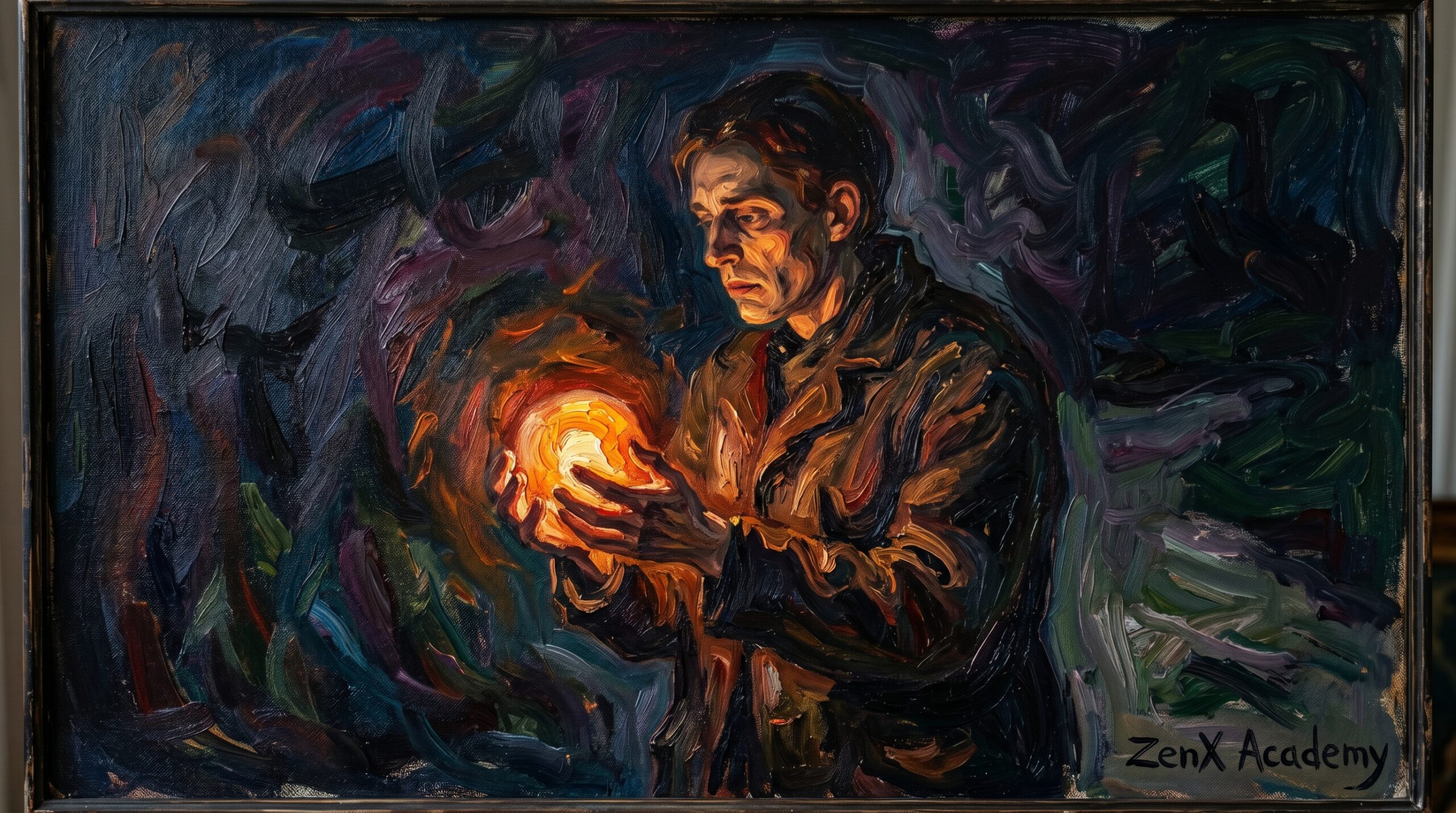
The Question Beneath the Substitution
The source of the discomfort that substitutions resolve
Every substitution resolves a discomfort. Section Four established this.
But the discomfort has a source.
It is not simply impatience. Not simply the preference for easier options.
Beneath the pull toward the faster resolution, there is something the Samiri is protecting with remarkable consistency.
Something that the substitute was built to keep covered.
Something that, if the substitution were removed without understanding what it guards, would not produce liberation. It would produce exposure.
What Moses' Absence Actually Felt Like
The state of being between meanings
When Moses went to receive the tablets, when he was absent from the people for forty days, something happened among them that the account records precisely.
They could not remain in the uncertainty.
Not the uncertainty of whether Moses would return. Not the uncertainty of what the tablets contained.
The deeper uncertainty: What are we, without the one who carries our meaning?
The Samiri did not exploit stupidity. He exploited something real.
He found people who were experiencing what might be the most unbearable human condition: the state of being between meanings.
No longer in Egypt, the old structure, however oppressive, was gone. Not yet in the promised territory, the new structure had not arrived.
In the middle. Without a container. Without a form that said: this is who we are.
The golden calf did not lie to them about theology.
It gave them a container for an emptiness that had no other resolution available.
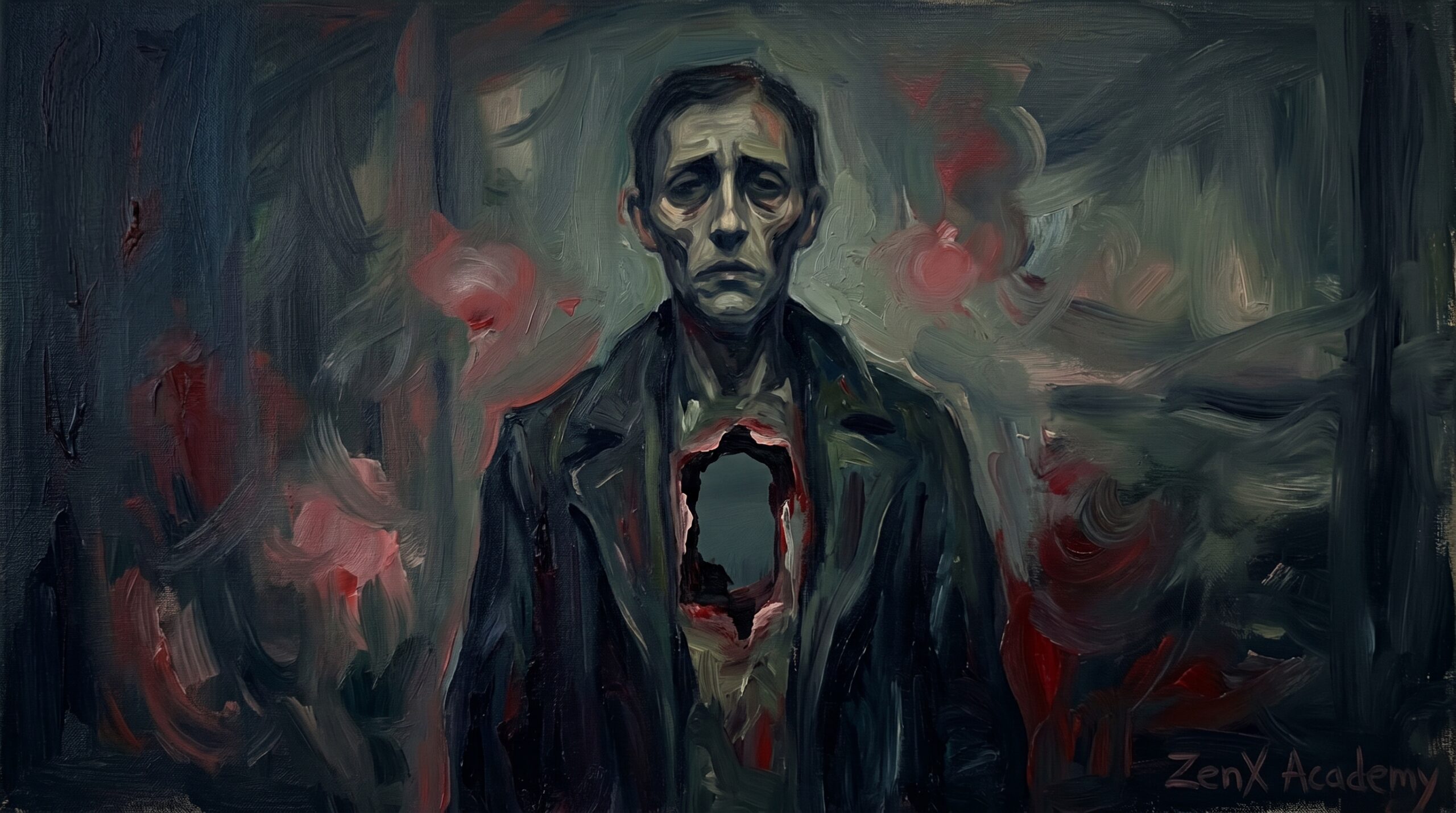
What the Samiri Protects in You
The emptiness between who you were and who you might become
The inner Samiri, the state that manufactures substitutes, is protecting something similar. Not identical. But structurally similar.
It is protecting you from the specific experience of being in the middle of your own meaning, between who you were and who you would be if the real process completed.
Between the identity that the old structure provided and the capacity that would exist after it has been genuinely worked.
Between the comfort of knowing and the discomfort of the actual not yet knowing that real learning requires.
The Samiri is not protecting you from difficulty.
It is protecting you from emptiness.
The particular emptiness of someone who no longer has a golden calf and has not yet metabolized something real enough to replace it.
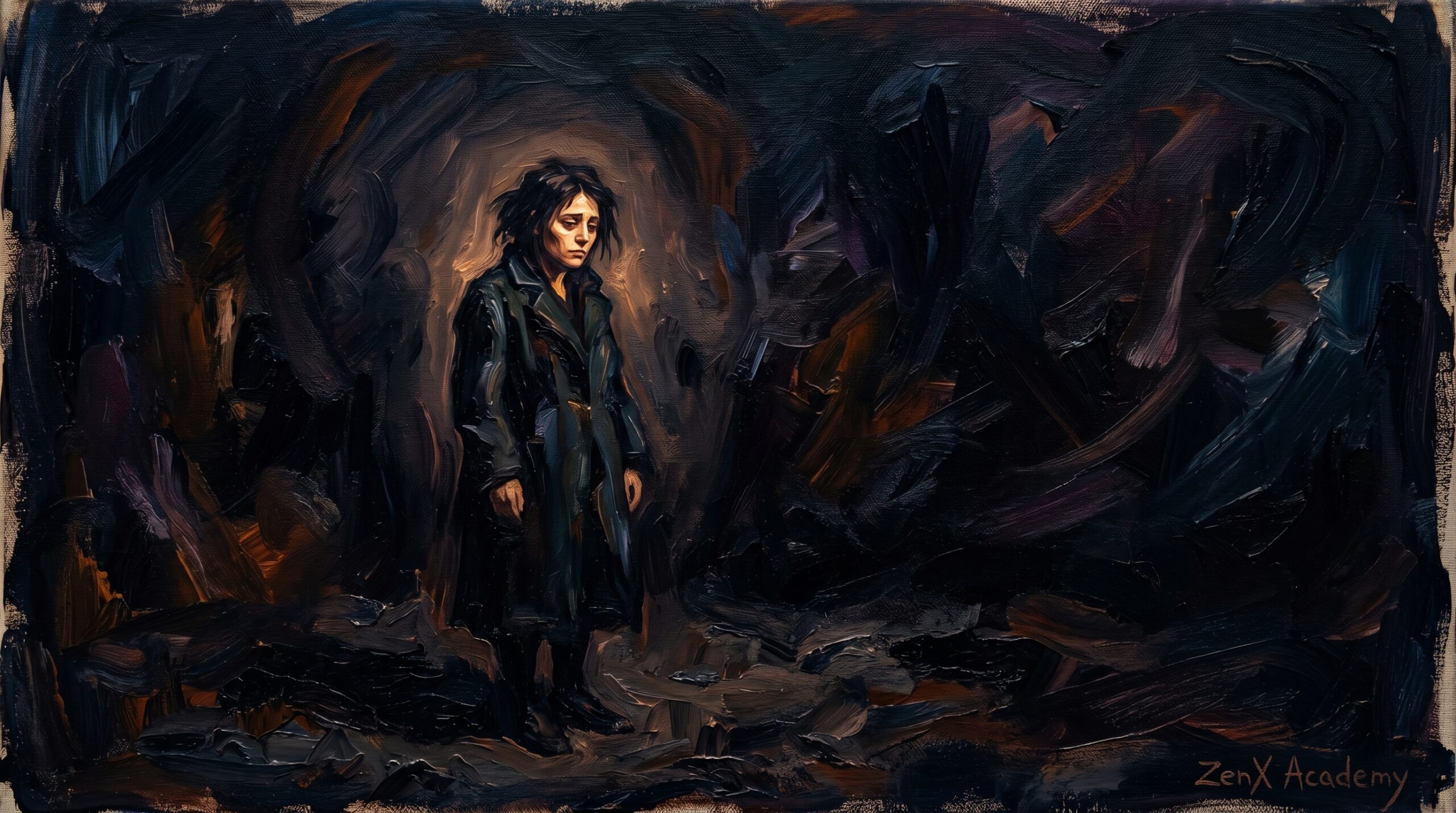
The Four Things the Samiri Protects Against
What substitutions were built to guard
Every substitute is guarding something. Not random. Not abstract.
In the Samiri's architecture, there are four protections that appear with remarkable consistency.
Protection One: The Possibility of Genuine Failure
When understanding stays safe and untested
If you consume the insight without metabolizing it, you can always say: "I understand this."
The understanding is preserved. The identity of someone who has encountered this idea remains intact.
If you begin the real process of metabolizing it, the behavior change, the friction, the slow building of capacity, you might fail.
The process might not produce transformation. The capacity might not arrive. The journey might not lead anywhere visible.
The substitute guarantees a result. The real process does not.
The Samiri protects you from entering a process whose outcome cannot be promised.
Not from the difficulty of the process, from the uncertainty of its arrival.
Protection Two: The Emptiness Beneath the Identity
What might be there if the structure were set aside
Every substitute contributes to a structure.
The collected insights, frameworks, understandings, and practices have been building something: an identity organized around depth, awareness, and ongoing development.
The question the Samiri protects you from asking is: if all of this were removed, the language, the frameworks, the understanding, the accumulated sense of being someone who works on themselves, what would be underneath it?
Not nothing, that is the fear. But possibly: something much simpler, much less developed, much more ordinary than the identity suggests.
The substitute keeps this question from becoming answerable.
Because as long as you are consuming, as long as the identity of someone engaged with depth is maintained, the question of what is underneath it does not need to be confronted.
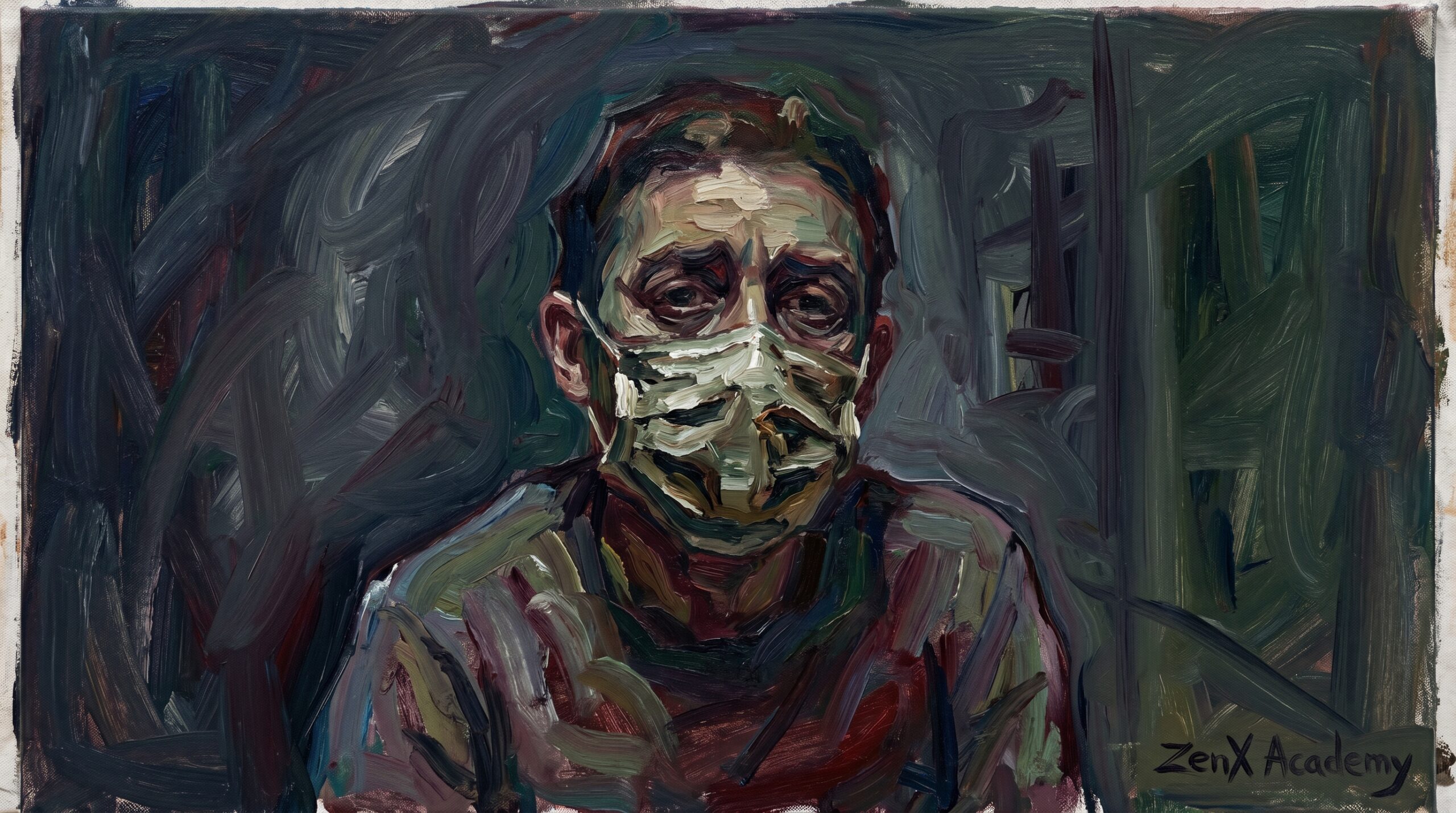
Protection Three: The Terror of Between
The state of genuinely not yet being anyone in particular
There is a specific psychological state that the Samiri's substitutions most reliably prevent: the state of genuinely not knowing who you are in the middle of a real process.
Real transformation, the kind that metabolizes, requires a period of being between.
Between the old pattern and the new capacity. Between the inherited response and the examined one. Between the installed identity and whatever comes after genuine examination.
This in between state has no comfortable name. It does not feel like growth. It does not produce shareable insights. It cannot be presented as evidence of development.
It simply feels like not being settled. Like something is loosening that has not yet been replaced. Like being in the middle of something with no guarantee of the other side.
The Samiri's offer is the resolution of this: a symbol that says you have arrived before the process has actually completed.
The golden calf did not only give the people a god. It gave them an identity, "we are the people who worship this," at the exact moment when their identity had been most genuinely suspended.
Protection Four: The Unbearable Silence
Why the calf needed a sound
The calf had a sound.
Not accidental. The sound was the point.
Silence, the silence of Moses' absence, the silence of genuine waiting, the silence of a process not yet resolved, was what could not be tolerated.
The Khwar filled the silence.
In contemporary life, this protection operates everywhere: the notification that arrives before the reflection completes, the content that fills the space before the previous content has been lived with, the conversation that prevents the discomfort of genuine solitude with an unresolved question, the framework that provides language before the experience has found its own words.
The silence of genuine process, the silence of something real taking its time, is what the Samiri most consistently prevents.
Because in that silence, the question that has no substitute to answer it might actually be heard: Who am I when nothing is performing?
Why This Changes the Work
The aim is not to remove protection, but to test whether it is still the only option
Understanding what the Samiri protects does not make the substitution wrong.
Most of what the Samiri guards was worth guarding.
The fear of genuine failure is not irrational. The dread of emptiness is not weakness. The terror of between is genuinely uncomfortable. The need to fill silence is deeply human.
What changes is this: the work is not to remove the protection.
It is to find out whether the protection is still the only available response to the thing it was built to prevent.
Whether there is a way to remain in the uncertainty of real process without requiring the substitute's resolution.
Whether the silence can be tolerated long enough for something real to begin to speak.
Whether the middle state, the between, can be inhabited without immediately filling it.
This is not a heroic act.
It is a small, specific practice: remaining slightly longer in what the substitute would have resolved before the substitute arrives.
Exercise Five: The Protection Map
Tracing what your substitutions were built to guard
Return to the domain you identified as most active in Section Three's assessment.
Work through these four questions in writing. One paragraph each. No more.
Question One: The Failure Being Avoided. If the substitute were removed, if you began the actual process instead, what specifically might not work? Not a general fear of failure. The specific outcome that might not arrive if you entered the real process rather than its replacement.
Question Two: The Identity Beneath. What would remain if the accumulated identity, the sense of being someone engaged with depth and development, were set aside for a period? Not who you would become. What is actually there now, beneath the structure the substitutes have been building.
Question Three: The Between You Are Avoiding. What transition are you currently in the middle of that has not yet resolved, and that the substitute is helping you not feel as incompletely as it actually is?
Question Four: The Silence. What question would become audible, what discomfort would become felt, if the primary substitute in your life were unavailable for one week? Not the answer to the question. The question itself.
Write one sentence at the end:
"What the Samiri is protecting me from is not the substitute. It is:"
From Protection to Commands
Where the work goes next
Section Six moves to the commands, the specific instructions the protection produces, and what becomes possible when they are examined.