 ABU LAHAB · Section Ten
Section Ten
What Abu Lahab Opens
A different kind of ending, and what becomes available when the examination is no longer running the center
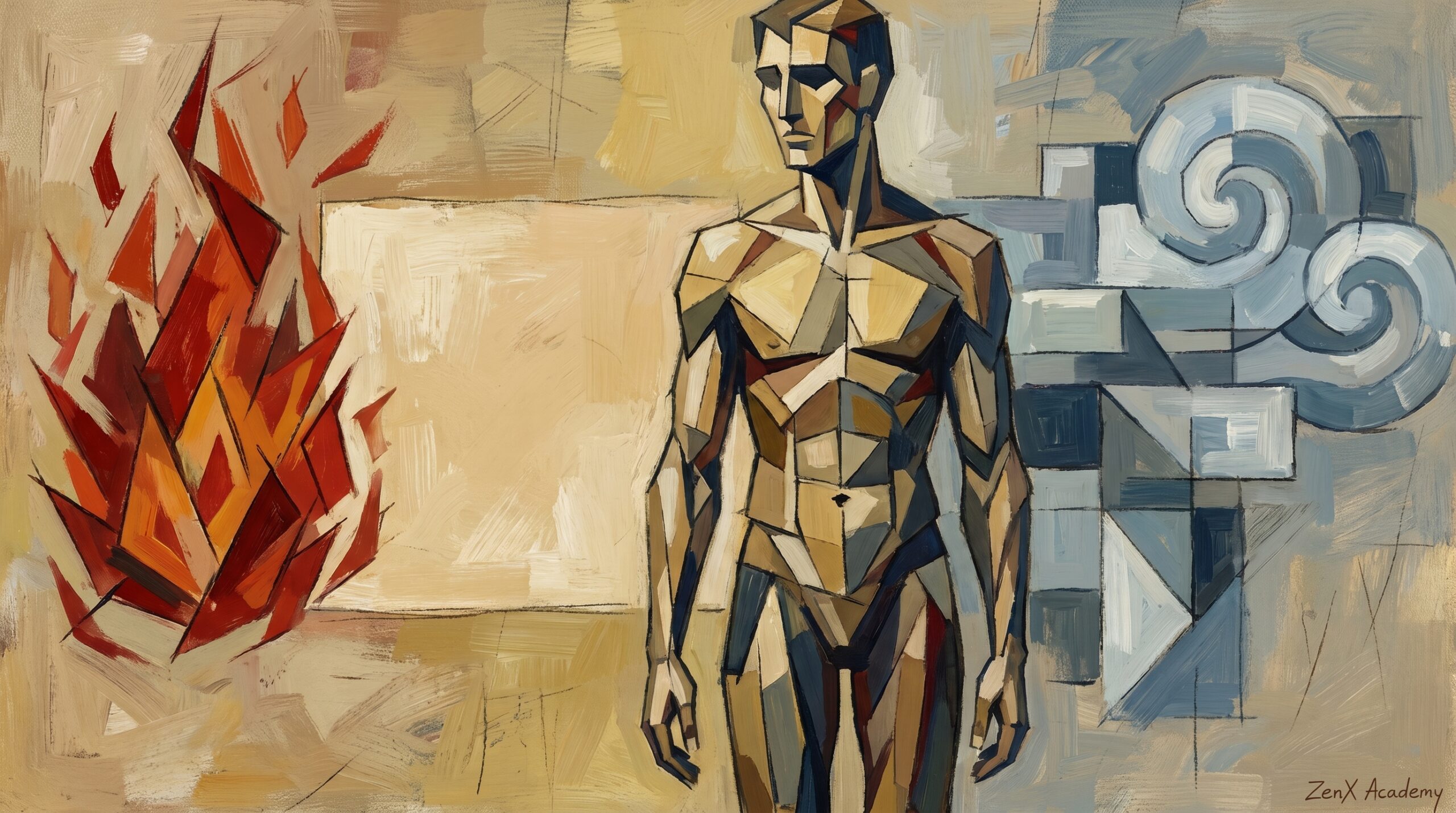
After nine sections of examination, there is a question that deserves space: What is all of this for?
A Question Worth Asking
What is all of this for?
After nine sections of examination —
of locating the flame, mapping its operations,
interrogating the commands, navigating the collisions,
watching the work itself become a potential new idol —
there is a question that deserves space:
What is all of this for?
Not philosophically.
Practically.
If the examination never ends —
if the flame returns,
if the commands require repeated updating,
if even the examined self needs watching —
what changes in the actual life?
How do you love someone
when you are tracking whether the warmth you feel
is genuine connection or command compliance?
How do you trust
when you are watching for the signal
that the trust is running on old programming?
How do you commit to anything
when you are simultaneously observing
whether the commitment arrived before the evidence?
The Danger of Perpetual Observation
Watching rather than living
This is a real risk —
and it deserves to be named directly.
Examination, practiced without this distinction,
can become its own kind of flame:
A vigilance so constant
that the person is perpetually one step removed
from their own experience.
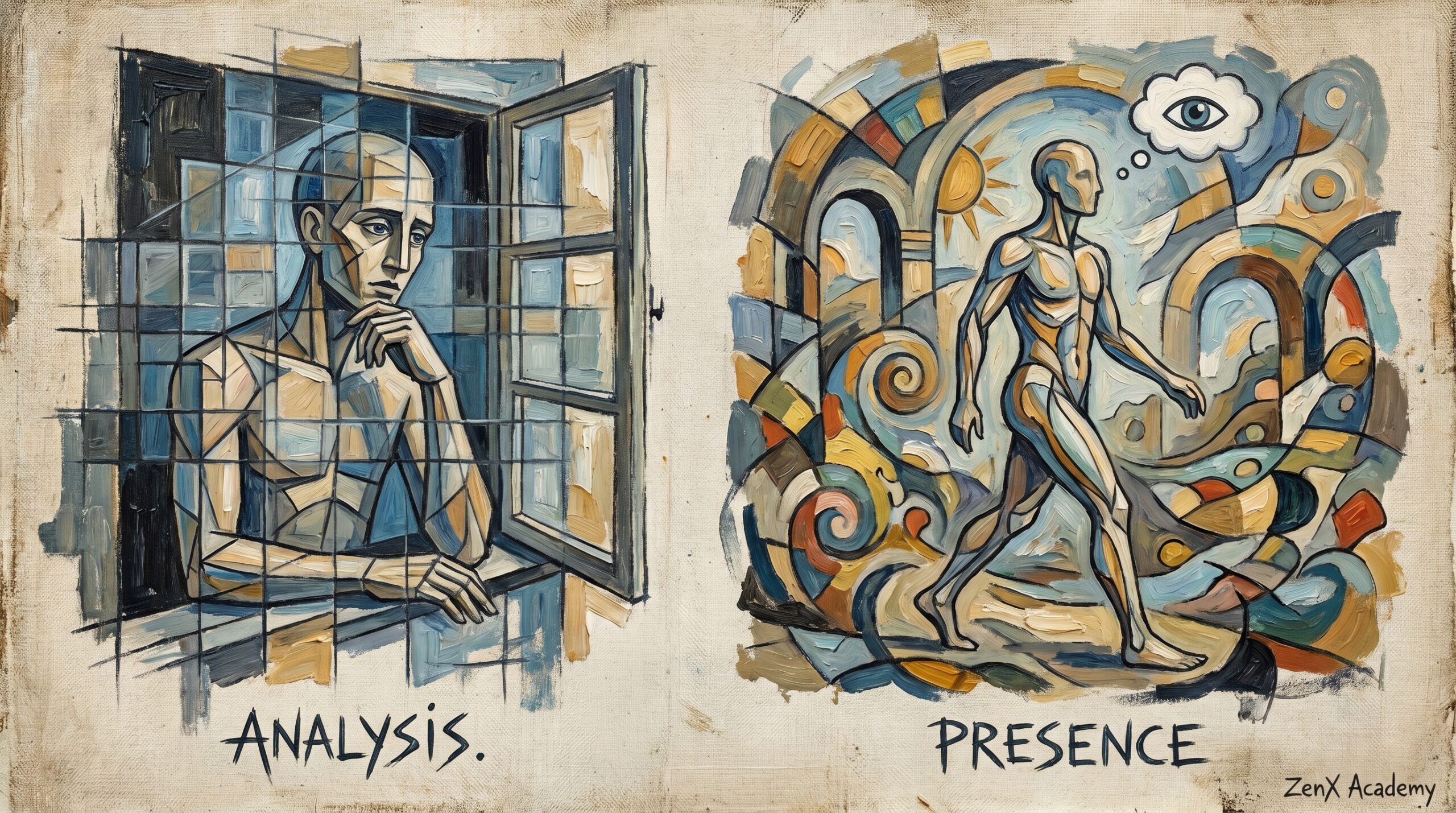
Watching rather than living.
Analyzing rather than feeling.
Monitoring rather than trusting.
If ZenX produced this —
a person more aware of their structures
but less present in their life —
it would have failed at the level that matters most.
The goal is not a person who never stops examining.
The goal is a person for whom examination
is available when the situation requires it —
and quiet when it does not.
The gap is not meant to be permanent.
It is meant to be accessible.
What Changes After Abu Lahab
You become harder to trap
Not freedom from the flame.
Not the elimination of the committed position,
the pre-formed verdict,
the command running beneath the surface.
What changes is more specific —
and more livable than the promises
most frameworks make:
You become harder to trap.
Not immune.
Not invulnerable.
Harder to trap.
The situations that previously pulled you fully inside the sequence —
that collapsed the distance between signal and verdict
before you had registered what was happening —
begin to have more space inside them.
Not always.
Not immediately.
Not without relapse.
But with practice, across time,
the architecture becomes more legible —
and legibility changes how long you stay inside it
before something registers.
Recognition Before Commitment
The moment the sequence is interrupted
You begin to recognize the heat
before the commitment forms.
You begin to catch the sentence
before it finishes writing itself.
You begin to ask, in the middle of situations
that once ran entirely on automatic:
"Is this mine — or is this running?"
That question —
available in more moments than before —
is what Abu Lahab opens.
How to Live With the Work
The examination is not meant to be constant
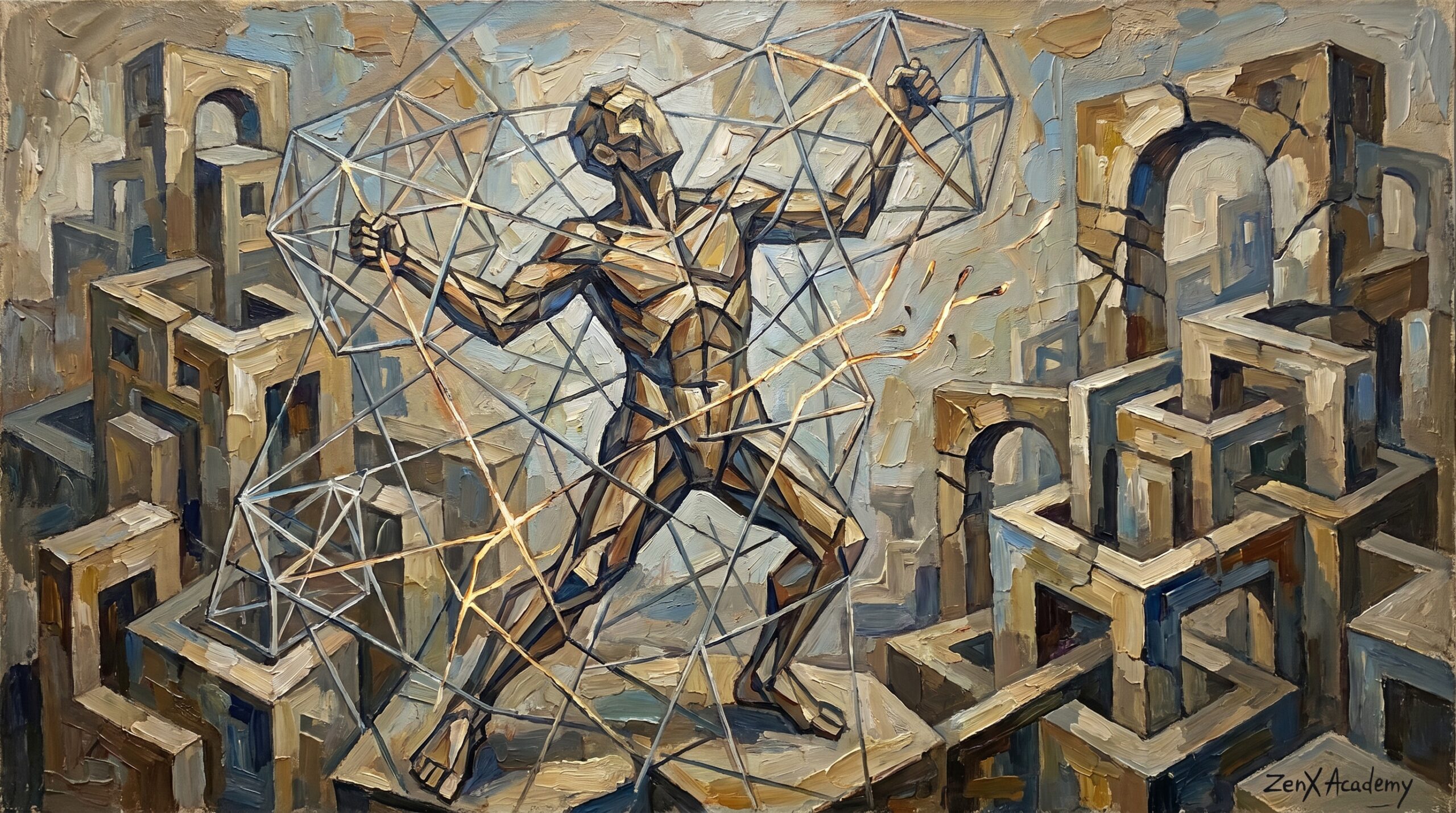
The examination is not meant to be constant.
It is meant to be there when it is needed —
the way any practiced capacity is available
without requiring continuous activation.
You do not monitor your balance when walking.
You have practiced it enough
that it operates without attention
until the ground changes.
This is the orientation integration moves toward.
Examination available when the sequence activates.
Quiet when the situation does not require it.
The person who has done this work
does not walk through every conversation
watching for commands and collisions.
They walk through conversations —
and something registers when a familiar sequence begins.
Not always in time.
Not always precisely.
But more often than before.
And earlier in the sequence.
That is enough.
Closing the Abu Lahab Chapter
One state, examined
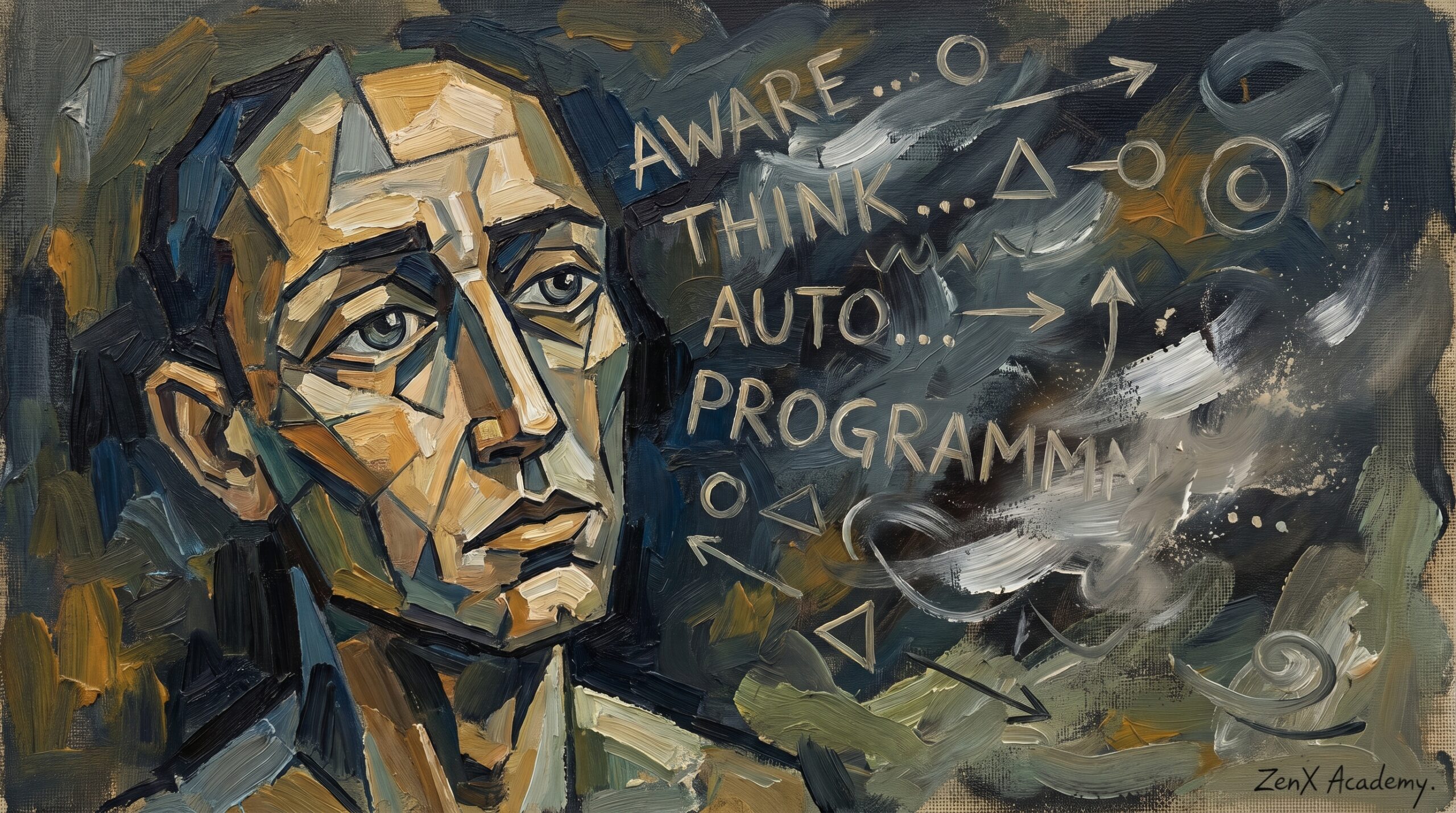
What you have worked with in this document
is one state.
One operating structure —
complex, layered, adaptive, expensive —
that has been running inside you
with varying degrees of visibility
for most of your life.
You have not resolved it.
You have begun to see it
with enough clarity to work with it —
rather than being worked by it
without knowing that the work was happening.
That is not a small thing.
Most people who carry Abu Lahab
carry it to the end
without ever having named the sequence,
identified the commands,
or asked what the flame has been protecting.
You have done that work.
And the work — imperfect, ongoing, recursive —
is now part of how you move.
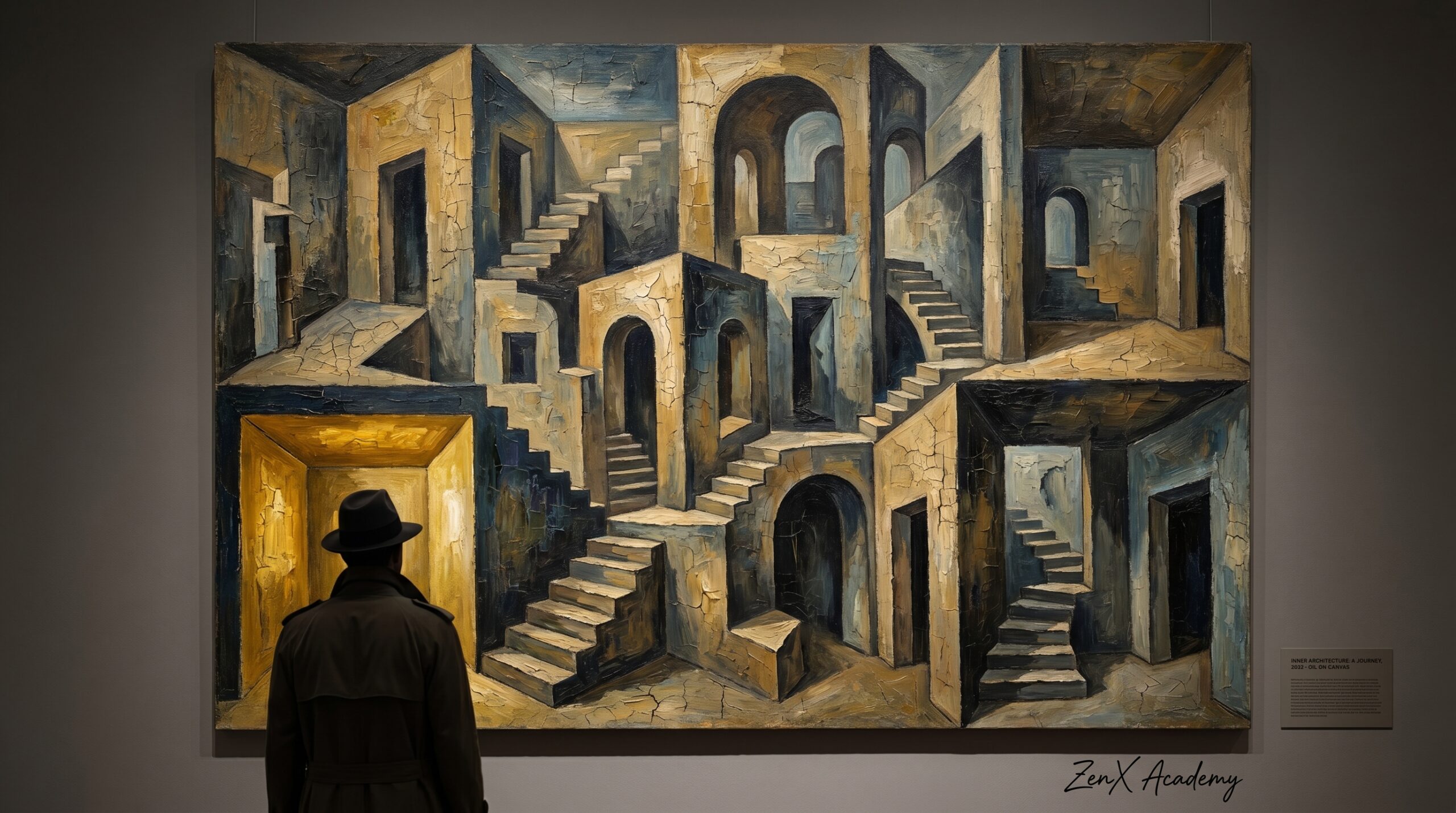
The Architecture Is Larger
Abu Lahab is one room
Abu Lahab is one room.
The internal architecture that shapes how you perceive,
react, decide, and construct your relationship with the world
contains eight others.
Each one has a name.
Each one is a state you have lived —
not occasionally, but regularly,
in specific conditions,
under specific pressures.
Each one has its own activation sequence,
its own commands,
its own protected structure,
its own form of collision.
And each one, examined,
opens something.
Not a final freedom.
Not a completed self.
A slightly wider capacity
to be present to what is actually happening —
rather than to what the inherited architecture
has already decided is happening.
The next room is already running.
You have been inside it
without knowing its name.
The name — and the map —
are in the next entry.
One Last Note
The story of a man who worked with what he found
Ibrahim did not become a man without architecture.
He became a man who could stand inside it —
see the structures that had formed before his choosing,
ask what they were built for,
and move with examined intention
rather than inherited automaticity.
Not once.
Every time the architecture required it.
Which was often.
Which was most of his life.
This is not the story of a man who escaped.
It is the story of a man
who learned to work
with what he found inside himself —
honestly, repeatedly, without the promise of finality.
That is the practice.
That is what Abu Lahab opens.
The rest of the architecture is waiting.